
Your car starts shaking at a red light, the engine light pops on, and your gas tank empties faster than usual. Sound familiar? These could be fuel injector problems symptoms, and ignoring them is one of the easiest ways to turn a small fix into a huge repair bill. Let me show you what to watch for.
What Does a Fuel Injector Actually Do?
Think of a fuel injector as a tiny, smart sprayer. It shoots a fine mist of fuel into your engine at the exact right moment. Each cylinder usually has its own injector. When they work well, your engine runs smooth and quiet. When they get clogged or fail, everything feels off.
Quick Look: Why Bad Injectors Matter
A bad injector messes up the air-fuel mixture your engine needs. Too little fuel, too much fuel, or bad timing all cause trouble. The result? Poor power, wasted gas, and sometimes engine damage. The good news is your car gives you clear warning signs first.
The Most Common Fuel Injector Problems Symptoms
These are the signs you will likely notice first. If you spot two or more together, it is time to pay attention.
Engine Misfires and Rough Idling
This is the big one. A misfire happens when a cylinder does not fire the way it should. You feel it as a stutter or a quick jerk when you speed up. Honestly, the first time it happened to me on an old hatchback, I thought I had hit a bump in the road.
Rough idling is its close cousin. When you stop at a light, your engine should feel calm and steady. But with a clogged injector, the car shakes, sputters, or even stalls. You might also see the RPM needle on your dashboard bounce up and down on its own. That jumpy needle is your engine quietly asking for help.
Here is the tricky part. A misfire can also come from bad spark plugs or a weak fuel pump. So a shaky idle alone does not always mean the injectors. But when it shows up with the other signs below, the injectors move to the top of the suspect list.
Poor Fuel Economy and Weak Acceleration
Are you filling up way more often than before? That is a classic clue. When an injector sprays too much fuel or atomizes it poorly, your engine wastes gas. According to a fuel economy guide from Fuel Logic, cleaning deposit buildup can restore roughly 3 to 5 percent of lost mileage, which tells you how much a dirty injector can quietly cost you over time.
Weak power often comes along with it. You press the gas and the car feels lazy or hesitates for a second. To be fair, we all get a little impatient at a green light, but a real lag in acceleration is different. It feels like the engine is holding its breath. That happens because the cylinders are not getting the clean, steady fuel spray they need.
Sneaky Signs Most Drivers Miss
Some symptoms hide in plain sight. These are the ones people often ignore until the problem gets worse.
Fuel Smell, Leaks, and the Check Engine Light
Do you ever catch a faint gasoline smell near your car? That is not normal, and you should never brush it off. A small fuel leak can come from a cracked injector or worn O-rings, the little rubber seals inside. You might even spot a small puddle or wet spots under the engine.
Here is why this one matters so much. Leaking fuel is a fire hazard. A diesel fleet maintenance report from FleetRabbit warns that a single leaking or failing injector left unchecked can damage pistons, contaminate engine oil, and harm the turbocharger, turning a roughly 500 to 700 dollar repair into thousands of dollars within a month or two. That is a scary jump for something that started as a smell.
Then there is the check engine light. When your car’s computer, the ECU, sees an injector acting up, it flips this light on. Common trouble codes like P0300 (misfire) or the P0200 range (injector circuit faults) point right at the fuel system. If the light is flashing, do not keep driving. Pull over and get it checked.
Hard Starting or a Car That Won’t Start
In bad cases, a failing injector can starve your engine of fuel. The car cranks but struggles to start, or it does not start at all. It is rare, but it happens. Of course, sometimes the simple answer is an empty tank. It happens to the best of us.
What Causes Fuel Injectors to Go Bad?
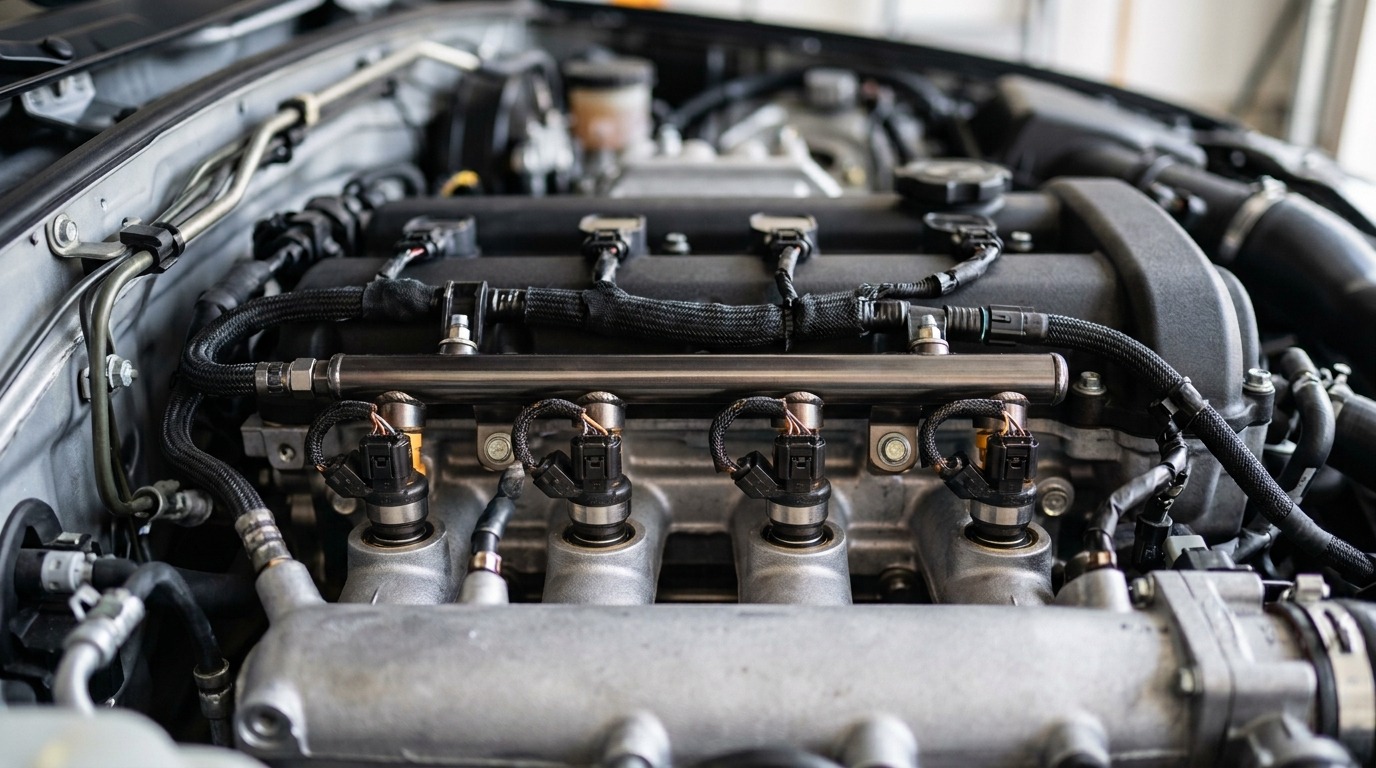
Knowing the cause helps you stop the problem before it starts. Most injector trouble comes down to two things.
Dirty Fuel and Carbon Buildup
This is the number one cause. Over time, carbon deposits, gum, and varnish build up inside the tiny injector nozzle. That buildup blocks the fine spray pattern your engine needs. Where does the gunk come from? Often from low-quality or old fuel.
I learned this the hard way years ago. I kept buying the cheapest gas I could find, and my engine slowly got rougher. Water, rust, and sediment can sneak in from old gas station tanks or from fuel that sits too long. Fuel is a bit like milk. Let it sit long enough and it goes bad. A quick tip from my own routine: stick to fuel from busy, reputable stations and your injectors will thank you.
Electrical Faults and Worn O-Rings
Injectors are also electronic parts. A bad solenoid, broken wiring, or a corroded connector can stop an injector from opening properly. And those rubber O-rings I mentioned? They dry out and crack with heat over time, which leads to small leaks. These faults are harder to spot, so they often need a mechanic’s tools.
How to Diagnose and Fix Bad Fuel Injectors
You do not always need a shop right away. Here is how to check, then decide your next step.
Simple Checks You Can Do at Home
You can do a few easy things yourself before spending money:
- Look and smell. Pop the hood and check for fuel stains, wet spots, or a strong fuel odor around each injector.
- Listen. With the engine running, place a long screwdriver against each injector and your ear on the handle. You should hear a steady clicking. An uneven click can mean trouble.
- Scan the codes. A cheap OBD-II scanner plugs into your car and pulls up any injector or misfire codes.
These checks will not fix the injector, but they help you confirm the problem before you visit a mechanic. That can save you both time and money.
Cleaning vs Replacing Your Injectors
So, do you clean or replace? It depends on how bad things are.
For mild buildup, a fuel injector cleaner poured into your tank often does the job. Most use a strong detergent called PEA, and experts suggest using one every 3,000 to 5,000 miles as upkeep. In my experience, a good cleaner brings back smoothness on a slightly clogged engine, but it cannot save a badly damaged injector.
If cleaning does not help, or an injector is cracked or electrically dead, replacement is the answer. Injectors are not cheap, and most engines have one per cylinder, so costs add up fast. Most guides say cleaner fixes everything, but from what I have seen, that is just not true once real damage sets in. When in doubt, let a trusted mechanic run a spray pattern test to be sure.
Conclusion
Fuel injectors are small, but they have a huge job. When you catch fuel injector problems symptoms early, like misfires, rough idle, bad gas mileage, fuel smells, or a stubborn check engine light, you save yourself stress and big repair bills. Do the simple home checks, keep your fuel clean, and act fast when two or more signs show up together. Your engine, and your wallet, will run a lot happier. Have you noticed any of these signs in your own car? I would love to hear what you found.
Frequently Asked Questions (FAQs)
Can I drive with a bad fuel injector?
You can, but you really should not for long. A bad injector can damage other parts like pistons and the engine over time. If you smell fuel or the check engine light is flashing, stop driving and get it checked right away.
How much does it cost to fix a fuel injector?
It depends on your car and how many injectors are bad. A single injector is often cheaper to catch early. Ignoring the problem until more injectors fail can cost far more, so early action saves money.
Does fuel injector cleaner really work?
Yes, for light or mild buildup. A good PEA-based cleaner can clear gum and carbon and bring back smoother running. But it cannot fix a cracked, leaking, or electrically dead injector. Those need replacing.
How long do fuel injectors last?
Many injectors last between 50,000 and 100,000 miles. The exact number depends on your fuel quality, driving habits, and how often you change your fuel filters. Clean fuel helps them last longer.
Can a bad fuel injector fix itself?
Usually no. A clogged injector might improve a little with a fuel cleaner, but a truly faulty one will not heal on its own. The problem tends to get worse, so it is best to deal with it sooner.