
Your car breaks down. You breathe easy because you have a vehicle warranty. Then the repair shop calls and tells you that you still owe hundreds of dollars out of your own pocket. That moment right there is what transparency in billing is supposed to prevent. Before any repair starts you deserve to know exactly what you will pay and why.
What Does Transparency in Billing Mean for Vehicle Warranties?
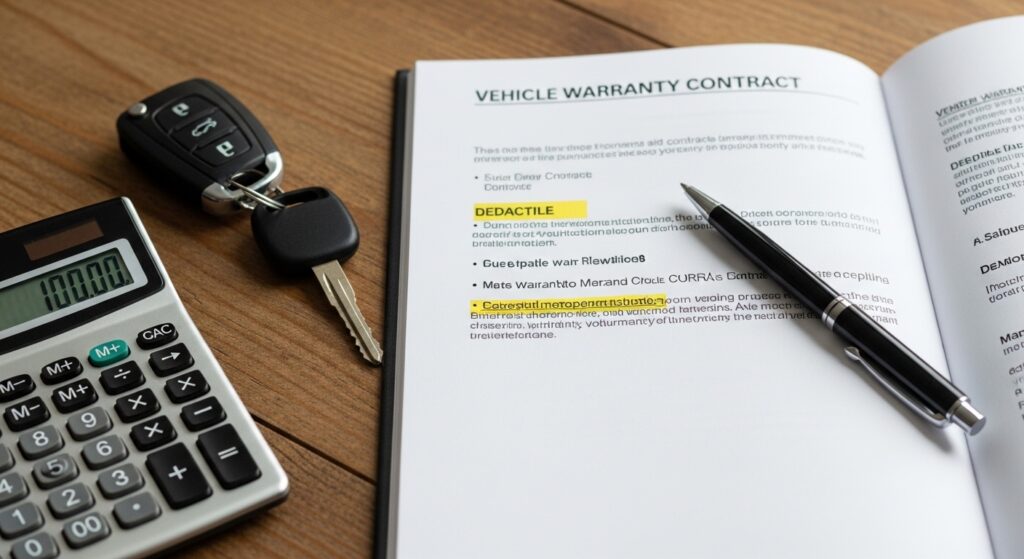
Transparency in billing in the vehicle warranty world means your warranty provider tells you the full picture of costs before any work begins on your car. It is not just about showing you a contract number. It is about clearly explaining what your warranty plan covers, what it does not cover and what you will have to pay from your own wallet.
Think of it this way. You would not let a mechanic start tearing apart your engine without knowing the bill first. The same logic applies to your warranty coverage. You signed up for protection and you deserve to know exactly how that protection works before you need it.
Why Drivers Get Shocked by Unexpected Repair Bills
Most drivers assume their warranty covers everything. That is a very common and very costly mistake. The truth is almost every warranty contract has exclusions, limits and costs that are buried deep in the fine print.
According to the Federal Trade Commission (FTC), auto service contract prices and coverage vary widely between providers and many drivers end up paying for overlap or for coverage that simply does not apply to their vehicle. You sign the papers at the dealership, the contract goes into a drawer and you forget about it until something breaks.
Then the bill arrives. And it looks nothing like what you expected.
What Out-of-Pocket Costs Really Mean in a Warranty
Your out-of-pocket costs are the money you personally pay even when your warranty is active. This includes your deductible, any costs for repairs the plan does not cover and fees the warranty provider will not reimburse.
I learned this the hard way. I had an extended warranty on a used car I bought a few years back. When my air conditioning failed I assumed it was covered. It was listed under the electrical section of my plan. But the diagnostic fee the shop charged to find the fault was not covered. That was 90 dollars straight out of my pocket before any actual repair even started.
Knowing your out-of-pocket costs upfront stops moments like that from happening to you.
Breaking Down What You Actually Pay With a Warranty
Once you understand the structure of a vehicle warranty the costs become much easier to manage. There are really only a few moving parts. The trouble is most people never take the time to learn them before they need to make a claim.
Let us go through each one in plain simple language so you know exactly what to expect.
Deductibles Copays and Coverage Limits Explained Simply
A warranty deductible is the fixed amount you pay each time your car goes in for a covered repair. For example if your deductible is 100 dollars and your repair costs 1,400 dollars you pay 100 dollars and your warranty covers the rest.
Most factory warranties that come with a new car have no deductible at all. But most extended warranties and vehicle service contracts (VSCs) do charge one. According to a guide published by Cuvrd, typical deductibles for extended warranty plans range from 50 dollars to 200 dollars per visit. Some plans charge per visit and some charge per repair which can make a big difference if multiple things are fixed in one trip.
Coverage limits are the maximum amount your plan will pay for a single repair or over the life of your contract. If your repair bill goes over that limit you pay the difference yourself. Always check this number before you sign anything.
The Hidden Costs Most Warranty Contracts Do Not Mention
Here is where things get tricky. Many warranty contracts have costs that are technically mentioned but written in ways that are very easy to miss.
Diagnostic fees are one of the biggest surprises. When your car develops a problem the shop has to figure out what is wrong before fixing it. That diagnosis costs money and many warranty providers will not cover it. You pay that fee yourself even if the repair that follows is fully covered.
Labor rate caps are another one. Your warranty might cover the parts for a repair but only pay labor at a set rate. If the shop charges more than that rate per hour you pay the difference. Auto Shield Canada highlights this as a common area where drivers end up with unexpected bills even on fully active warranty plans.
Towing fees can also catch you off guard. Some plans cover towing but only up to a certain distance. If you break down far from an authorized repair shop you might cover part of that tow yourself.
Your Rights as a Warranty Holder
Most drivers do not realize they have legal protections when it comes to their vehicle warranty. The law is actually on your side in more ways than you might think. Knowing your rights gives you confidence and stops providers from taking advantage of gaps in your knowledge.
Billing transparency is not just a courtesy from your warranty provider. It is something you can and should demand.
What the Magnuson-Moss Warranty Act Says About Your Coverage
The Magnuson-Moss Warranty Act is the key federal law that governs vehicle warranties in the United States. Under this law your warranty provider must give you a written explanation of all coverage terms before you purchase. You have the right to read and understand exactly what is and is not covered before you commit.
One important protection this law provides is around aftermarket parts. According to the FTC, a manufacturer or dealer cannot deny your warranty coverage simply because you used aftermarket or recycled parts for maintenance. They must actually prove the aftermarket part caused the damage before they can refuse a claim. That is a right many drivers never know they have.
How to Get a Clear Breakdown of Costs Before Any Repair Starts
Before your repair shop touches anything on your car you should ask for a written estimate that shows the total expected cost, what your warranty will cover and what you will owe. This is not a special request. It is standard practice at any reputable shop.
Call your warranty provider before the repair begins. Give them the shop’s diagnosis and ask for a pre-authorization. This written approval confirms the repair is covered and locks in the amount the plan will pay. Once you have that number you know exactly what your share will be.
According to Kelley Blue Book, getting this pre-authorization in writing before work starts is one of the smartest steps a driver can take to avoid surprise bills and billing disputes later.
Why Billing Transparency Builds Better Trust
When a warranty provider is open about costs from the very beginning it changes the whole relationship. You feel like a partner in the process rather than someone being sold something. That trust is what keeps drivers coming back and what separates honest providers from the ones who hide things in the fine print.
A lot of the frustration drivers feel toward extended warranty companies comes from one simple problem. Nobody explained the billing clearly before the contract was signed.
How Upfront Pricing Changes the Repair Experience
When you know your deductible before you walk into a repair shop you go in with confidence. You know what to expect. You can plan your budget around it. You do not feel caught off guard when the cashier reads you the total.
Providers who share cost estimates, coverage breakdowns and exclusion lists in plain language before a contract is signed see fewer billing disputes and fewer unhappy customers. Digital Dealer reported that 76 percent of all warranty-related chargebacks happen because customers did not understand what they signed up for or did not recognize billing from a third-party provider they had never heard of.
Clear billing from the start stops that confusion before it begins.
What Good Warranty Providers Do Differently
The best warranty providers do a few things that set them apart. They give you a simple one-page summary of your coverage. They tell you upfront what your deductible is and how it works. They explain which repair shops are approved. And they answer your questions in plain language without burying answers in legal terms.
To be fair not every provider is like this. Some rely on confusing contracts because confusion works in their favor. If you do not know what is covered you cannot fight a denied claim. That is exactly why transparency in billing matters so much when choosing a plan.
Ask any provider before you sign: “Can you show me in writing exactly what I will pay if I make a claim tomorrow?” If they cannot answer that question clearly, that tells you everything you need to know.
How to Protect Yourself From Surprise Warranty Bills
You do not have to be at the mercy of confusing contracts and hidden fees. There are simple steps you can take right now that will protect your wallet and your peace of mind. Whether you are shopping for a new warranty plan or trying to understand the one you already have, these steps make a real difference.
Transparency in billing starts with you asking the right questions before any money changes hands.
Questions to Ask Before You Sign Any Warranty Contract
Before you agree to any vehicle warranty or extended warranty plan ask the provider these questions and get the answers in writing:
“What is my deductible and does it apply per visit or per repair?” This one question can save you hundreds of dollars depending on the answer.
“Which repair shops are authorized under this plan?” If your trusted local mechanic is not on the approved list you may have to choose between your preferred shop and your coverage.
“Are diagnostic fees covered?” As we talked about earlier, these fees can add up fast and many drivers never think to ask about them until they are standing at the counter.
“What happens if the repair cost goes over my coverage limit?” Know the ceiling on your plan before you need it.
“Is this warranty transferable if I sell my vehicle?” A transferable warranty adds real value to your car when you go to sell it.
How to Read the Fine Print Without Getting Lost
The warranty contract is the most important document you will sign when buying vehicle protection. But most people sign it without really reading it. Honestly that is understandable. These contracts can be 20 to 30 pages long and written in a language that feels more like a legal exam than plain English.
Here is a simple way to approach it. Focus on three sections first. Look for the exclusions list which tells you what is not covered. Find the deductible section and understand exactly how much you pay and when. Then find the section on authorized repair facilities so you know where to take your car.
If anything is unclear, ask the provider to explain it in simple terms before you sign. A good warranty company will be happy to do this. One that avoids your questions or rushes you past the details is one worth walking away from.
Keep a copy of your warranty booklet, any pre-authorization letters and all service invoices in one folder. These records are your best protection if a claim is ever disputed.
Conclusion
Transparency in billing is the foundation of a trustworthy vehicle warranty experience. You deserve to know exactly what your out-of-pocket costs will be before your car ever enters a repair shop. From your deductible to diagnostic fees to labor rate caps every cost should be explained to you in plain language from day one.
Read your contract. Ask direct questions. Get everything in writing. And choose a warranty provider that treats your right to understand what you are paying for as a basic standard, not a special favor.
Your car is one of your biggest investments. Protect it with a plan you actually understand.
Frequently Asked Questions
What does out-of-pocket cost mean in a vehicle warranty?
Your out-of-pocket cost is the money you personally pay even when your warranty is active. This usually includes your deductible on each covered repair, any diagnostic fees the plan does not cover and the cost of any repairs that fall under the plan’s exclusions list. Knowing this number before a repair starts helps you budget and avoid surprises.
Do all vehicle warranties have a deductible?
No. Most factory warranties that come with a new vehicle have no deductible at all. However most extended warranties and vehicle service contracts (VSCs) do include a deductible, usually between 50 and 200 dollars per visit or per repair. Always confirm this before purchasing any plan.
Can a warranty company deny my claim if I use aftermarket parts?
Under the Magnuson-Moss Warranty Act a provider cannot deny your claim simply because you used aftermarket parts for maintenance or repairs. They must prove the aftermarket part directly caused the damage before denying coverage. You can learn more about this protection at the FTC’s auto warranty page.
What is a pre-authorization and why does it matter?
A pre-authorization is written approval from your warranty provider confirming that a specific repair is covered before the shop begins work. It locks in the amount the plan will pay so you know exactly what your share is before any work starts. Always ask for this in writing before approving any covered repair.
What are the most common hidden costs in a vehicle warranty contract?
The most common costs drivers do not expect include diagnostic fees for finding the problem, labor rate caps that leave you paying the difference if your shop charges more than the plan allows and towing fee limits that only cover a set distance. Reading the exclusions section of your contract carefully before you sign is the best way to spot these costs early.