When your car breaks down, and you try to use your warranty, the company might ask you to pay for something called a teardown. This can feel unfair, especially when you already bought the warranty to avoid surprise costs. You’re not alone in wondering why this happens and what you can do about it.
Understanding Tear-Downs in Car Warranties
What Is a Tear-Down?
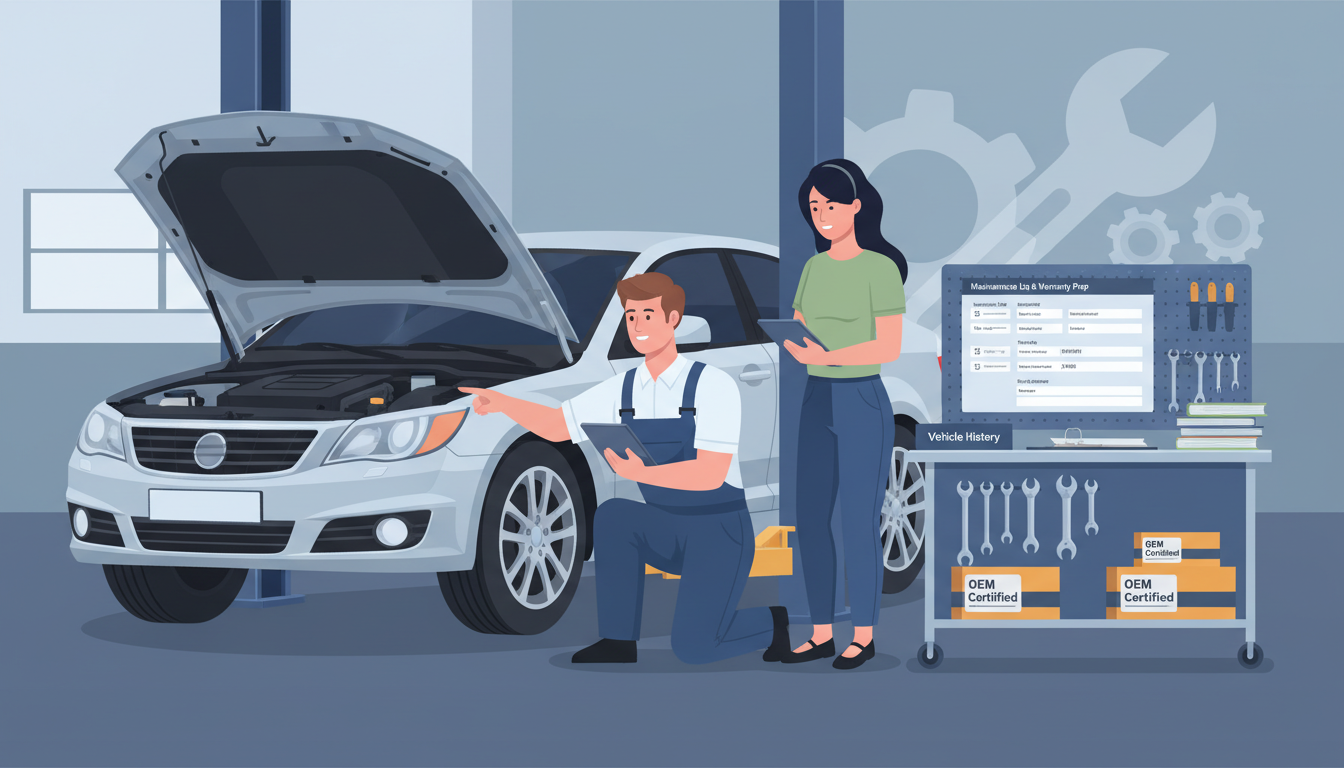
A teardown is when a mechanic takes apart a section of your car to see what’s really wrong inside. Think of it like opening a box to check what’s broken inside, instead of just looking at the outside. The mechanic might need to remove engine parts, take off covers, or open up the transmission to find the exact problem.
For example, if your engine is making strange noises, the outside might look fine. But the real problem could be hiding inside. Maybe a seal broke, or a part wore out. The mechanic won’t know for sure until they open things up and look inside. That’s the teardown.
The process usually involves removing bolts, taking off covers, draining fluids, and carefully opening the area where the problem seems to be. Once the mechanic sees inside, they can tell exactly what broke and why it broke. After the teardown, they write a report about what they found. This report helps the warranty company decide if they’ll pay for the fix or not.
Why This Matters to Car Owners
Here’s where things get tricky for you. Tear-downs cost money. Someone has to pay the mechanic for the time it takes to take things apart and put them back together. Sometimes this can cost $400, $500, or even more, depending on how complicated the job is.
If the warranty company finds out the problem is covered under your service contract, they usually pay for the teardown. But if they decide the problem isn’t covered, you might have to pay for both the teardown and the actual repair. This puts you in a tough spot. You need the teardown to prove what’s wrong, but if the answer isn’t what the warranty company wants to hear, you’re stuck with the bill.
I’ve seen people get surprised by this. They think their warranty covers everything, so they agree to the teardown. Then they find out the company won’t pay because of some exclusion in the fine print. Now they owe money they didn’t plan to spend. It’s one of the most frustrating parts of dealing with extended warranties.
The Real Reasons Behind Tear-Down Requests
Inspecting for Covered vs. Non-Covered Damage
Warranty companies ask for tear-downs mainly to figure out if the damage is something they have to pay for. Your warranty has a list of things it covers and a longer list of things it doesn’t cover. The company needs to know which list your problem falls under.
Let’s say your engine stopped working. From the outside, it just looks broken. But once the mechanic does a tear-down, they might find that a hose cracked and all the coolant leaked out. If hoses aren’t covered in your contract, the warranty company will say no to your claim. They’ll point to the exclusions section and say the damage happened because of a non-covered part.
Or maybe the teardown shows you didn’t change your oil often enough, and that caused the engine to overheat. Most service contracts don’t cover damage from poor maintenance. The company will deny your claim and say it’s your fault for not taking care of the car. According to the California Department of Insurance, many claims get denied because the breakdown happened due to wear and tear or lack of proper upkeep.
The warranty company isn’t necessarily trying to cheat you. They’re protecting themselves from paying for things that aren’t in the contract. But from your side, it can feel like they’re looking for any excuse to say no. The tear-down is their way of finding that excuse.
Finding the Root Cause of Failures
Sometimes a part breaks, but the real question is why it broke. Did it break because it was badly made? Or did something else cause it to break? The warranty company needs to know the root cause.
For example, your transmission might be covered. But if the teardown shows the transmission broke because you were towing too much weight without a proper tow package, that’s different. The transmission failure happened because of how you used the car, not because the transmission was bad. The company will deny the claim based on an exclusion for towing excessive weight.
Or let’s say your engine has a problem. The teardown might show that one covered part broke, but it broke because a non-covered part failed first. If a seal (which isn’t covered) leaked and caused the engine to overheat, the company might refuse to pay for the engine damage. They’ll say the seal caused the problem, and seals aren’t in your contract.
This is where things get really complicated. The teardown might show multiple problems all connected to each other. The warranty company will look at the chain of events and try to find the one thing that’s not covered. If they can connect your engine problem back to that one excluded part or excluded cause, they’ll deny your claim.
I remember talking to someone whose car had engine trouble. The teardown showed a part failed, but it happened after the car overheated. The warranty didn’t cover overheating damage, so the company said no. The car owner felt tricked because the part itself was listed as covered in the warranty booklet. But the way it broke put it outside the coverage.
Is It Legal for Warranty Companies to Ask You to Pay?
What the Law Says About Tear-Down Fees
This is one of the biggest questions car owners have. Can the warranty company really make you pay for the teardown? The answer isn’t simple, and it depends on where you live and what your contract says.
According to consumer protection attorney Robert F. Salvin, a service contract is basically a form of insurance. With insurance, you usually just need to show you have a covered claim. Once you do that, the burden shifts to the insurance company to prove any exclusions apply. In other words, you shouldn’t have to pay extra money to help them find reasons to deny you.
If you already have a diagnosis from a mechanic that shows a covered breakdown, some legal experts say you’ve done your part. The warranty company should pay for any additional inspection they want. Making you pay for the teardown puts an unfair burden on you, especially if you can’t afford it.
However, many warranty contracts include language that says you must allow inspections and tear-downs. Some contracts even say you might have to pay for the teardown if the problem ends up being excluded from coverage. The contract language gives the company legal protection.
The Federal Trade Commission warns consumers to read their warranty documents carefully. Look for sections about how claims are handled and who pays for diagnostic work. If the contract says you’ll pay for tear-downs when the problem isn’t covered, that’s probably legal, even if it feels wrong.
Your Rights as a Consumer
Even though the contract might say you have to pay, you still have rights. You can push back. You can question the denial. You can ask for help.
First, you have the right to understand why your claim was denied. The warranty company must explain which exclusions they’re using and why those exclusions apply to your situation. They can’t just say no without giving you a reason. Ask them to point to the exact language in the contract. Ask for their evidence that the exclusion applies.
You also have the right to appeal. If you disagree with the denial, you can write to the company and explain why you think they’re wrong. Include any evidence you have, like maintenance records or letters from your mechanic. Many service contracts have a backup insurance company that guarantees the warranty. If the main company denies your claim, you can appeal to the backup insurer.
If you’re in California, the California Department of Insurance can help. They regulate warranty companies and will investigate complaints. Other states have similar agencies. You can file a complaint and ask them to look into whether the company is treating you fairly. Sometimes, just knowing a state agency is watching makes companies more willing to work with you.
You might also have the right to take the company to court. If the claim is $10,000 or less, you can file in small claims court without needing a lawyer. If it’s more than that, you might want to talk to a consumer protection attorney.
The important thing is not to give up just because they said no. Many people accept the first denial and pay out of pocket. But if you question the decision and stand up for yourself, you might get a different answer.

How Tear-Downs Work in the Claims Process
Getting Approval Before Repairs
Most warranties require you to call them before you start any repairs. This is called getting pre-approval. If you don’t call first and just go ahead with the fix, they might refuse to pay anything at all. This rule is in almost every extended warranty contract.
When you call, they’ll ask questions about what’s wrong with your car. They might ask you to take it to a specific repair shop or dealer that they work with. Or they might send their own inspector to look at your car. This is all part of the claims process.
If they think a teardown is needed, they’ll tell you. Sometimes they’ll arrange for their mechanic to do it. Other times, they’ll ask you to approve the teardown at your current shop. Either way, they want to control the process so they can make sure the teardown is done right and the results are accurate.
You might feel pressure to agree quickly. The shop might tell you they need to start work. Your car might break down somewhere. You might need it for work. But before you say yes to a teardown, make sure you understand who pays if the problem isn’t covered.
Ask the warranty company directly: “If the tear-down shows this problem isn’t covered, who pays for the tear-down?” Get their answer in writing if you can, or at least write down the name of the person you talked to and the date and time. This can help you later if there’s a dispute.
What Happens During the Inspection
Once the teardown starts, the mechanic will carefully take apart the problem area. They’ll look for signs of what went wrong. They’re looking for clues like burnt parts, broken pieces, leaks, or wear and tear.
The mechanic will take pictures and notes. They’ll measure things. They’ll check for proper fluid levels and look at the condition of different parts. All of this information goes into a report.
The report is what the warranty company uses to make its decision. If the report shows a covered part broke for a covered reason, you should get a claim authorization number. This number is the company’s promise to pay. Make sure you write it down along with what repairs they approved.
If the report shows something excluded, the company will call and tell you they’re denying the claim. They’ll explain what the mechanic found and why it’s not covered. This is your chance to ask questions and push back if something doesn’t seem right.
Sometimes the mechanic at the shop disagrees with the warranty company’s inspector. Your mechanic might say the problem is definitely covered, while the company’s inspector says it’s not. When this happens, you’re caught in the middle. You might need to get your mechanic to call the warranty company and explain their side. Or you might need to get a second opinion from another shop.
The whole process can take days or even weeks. While this is happening, your car is sitting in the shop. You might be paying for a rental car or relying on rides from friends. It’s stressful and expensive even before you know if the warranty will pay.
Common Problems Car Owners Face
When Companies Deny Claims After Tear-Downs
One of the worst feelings is paying for a teardown, waiting for the results, and then hearing the warranty company say no. It happens more often than it should.
The company might say the problem was caused by negligence or abuse. They might say you drove with a dashboard warning light on, which is called continued operations. Most warranties won’t pay if you kept driving after the car warned you to stop. Even if you didn’t know what the light meant, they’ll still use this as a reason to deny your claim.
They might say the problem is pre-existing, meaning it started before you bought the warranty. Proving this is hard for them, but they’ll try. They’ll look at when the warranty started and when the problem showed up. If there’s any chance the problem existed before the contract began, they’ll deny the claim.
Or they might point to something in the exclusions section that seems to apply. Maybe the problem involves a seal or gasket, and those aren’t covered. Maybe it involves overheating, and overheating damage is excluded. Maybe you don’t have perfect maintenance records, and they’ll say you didn’t maintain the car properly.
When this happens, you’re stuck. You already paid for the teardown. Now you have to pay for the repair too. And you still have the warranty, but you’re starting to wonder if it’s worth anything.
I’ve talked to people who felt like the company was just looking for excuses. The teardown report showed a covered part failed, but the company found one small thing in the report to use as a reason to say no. It feels like the game is rigged against you.
The Cost Burden on Vehicle Owners
Let’s talk about money. Tear-downs are expensive. Depending on the car and the problem, you might pay anywhere from $200 to $1,000 or more just to have the mechanic take things apart and look inside.
If the warranty pays, you’re fine. But if they don’t, that money comes out of your pocket. And that’s just the teardown. The actual repair might cost hundreds or thousands more.
Many people don’t have that kind of money saved up. They bought the warranty specifically to avoid surprise car expenses. Now they’re facing the exact situation they tried to prevent. It’s stressful and can cause real financial problems.
Some people can’t afford the teardown at all. The shop wants money upfront before they’ll do the work. The warranty company won’t commit to paying until after the teardown is done. You’re stuck in the middle with no good options.
This is especially hard for people with older, high-mileage cars. They know the car might need expensive repairs, so they bought a warranty for protection. But older cars are more likely to have problems that the warranty won’t cover. Wear and tear is more common. Parts that weren’t coveredarender the warranty start to fail. The whole reason you need the warranty is the same reason the company is more likely to deny your claims.
What to Do If You’re Asked to Pay for a Tear-Down
Steps to Protect Your Rights
If a warranty company asks you to pay for a teardown, don’t panic. Take a breath and think through your options. You have more power than you might realize.
First, read your contract again. Look for the section about claims and inspections. What does it actually say about tear-downs and who pays? Sometimes what the company tells you on the phone isn’t exactly what the contract says. Know what you agreed to.
Second, ask the company questions. Be polite but firm. Ask why they need a teardown. Ask what they’re looking for. Ask what happens if the problem turns out to be covered versus not covered. Ask who pays in each scenario. Write down their answers.
Third, get your own mechanic’s opinion. If you haven’t already, have a trusted mechanic look at the car and give you a diagnosis. A good mechanic can often tell what’s wrong without a full teardown. If your mechanic says the problem is definitely covered under your warranty, ask them to put that in writing. This gives you evidence to use if the company denies your claim.
Fourth, document everything. Keep copies of all paperwork. Save emails. Write down the names of everyone you talk to at the warranty company. Note the dates and times of phone calls. If they promise something, ask them to send it in writing. All of this documentation can help if you need to appeal or file a complaint later.
Fifth, consider paying for the teardown if you think you have a strong case and can afford it. Sometimes you have to invest money to get money. If you’re confident the problem is covered and you have good maintenance records, paying for the teardown might be worth it. Just make sure you understand the risks first.
Getting Help from Consumer Protection Agencies
You don’t have to fight alone. Several agencies exist to help consumers with warranty problems.
Start with your state insurance department. In California, it’s the California Department of Insurance. Other states have similar agencies. They regulate warranty companies and investigate complaints. You can file a complaint online or by phone. The agency will contact the company and ask for its side of the story. Sometimes this pressure is enough to make the company reconsider.
The Federal Trade Commission also handles complaints about unfair business practices. They won’t solve your individual problem, but they track complaints and can take action against companies that break the rules. Filing a complaint helps them see patterns and protect other consumers.
Your state attorney general’s office might help, too. Many attorney general offices have consumer protection divisions. They can investigate companies that operate illegally or use deceptive practices.
If your car is being repaired at a shop and you’re having problems with the quality of work, contact your state’s Bureau of Automotive Repair or equivalent agency. They license and regulate repair shops. They can investigate if a shop is doing poor work or charging unfair prices.
Don’t forget about legal help. Consumer protection lawyers often offer free consultations. They can tell you if the company is violating the law and if you have a case worth pursuing. Some lawyers work on contingency, meaning they only get paid if you win. This makes legal help more accessible, even if you don’t have money for upfront legal fees.
How to Avoid Tear-Down Issues
Keep Your Maintenance Records
The single best thing you can do to protect yourself is keep good maintenance records. This sounds simple, but most people don’t do it. Then, when the warranty company asks for proof, they have nothing to show.
Save every receipt from every oil change, tire rotation, belt replacement, and inspection. Keep them in a folder in your ca,r or take pictures and store them on your phone. If you do your own maintenance, keep receipts for the parts you bought and write down the date and mileage when you did the work.
Many warranty denials happen because the company claims you didn’t maintain the car properly. If you can show them a stack of receipts proving regular maintenance, it’s much harder for them to use that excuse. According to the Federal Trade Commission, maintenance records are one of the most important things you can have when filing a warranty claim.
Follow the maintenance schedule in your owner’s manual. Don’t skip oil changes or other important services. If the manual says change the oil every 5,000 miles, do it. If it says replace a certain part at 60,000 miles, do it. Keeping up with maintenance not only helps your car run better, but it also protects your warranty coverage.
Also, never ignore warning lights on your dashboard. If a light comes on, stop driving and get it checked. Driving with certain warning lights on can cause serious damage, and warranties almost never cover that. They call it continued operations, and it’s one of the most common exclusions.
Choose the Right Warranty Coverage
Not all warranties are created equal. Some offer much better coverage than others. When you’re buying a warranty, take time to compare options.
Look for what’s called exclusionary coverage. This type of warranty covers everything except what’s specifically listed in the exclusions section. It’s the opposite of a warranty that only covers certain listed parts. Exclusionary coverage is broader and gives you more protection.
Pay attention to what’s excluded. Does the warranty exclude wear and tear? Many do, and that’s a problem because a lot of repairs are needed due to parts wearing out over time. Try to find a warranty that doesn’t exclude wear and tear, especially if you’re buying coverage for a used car with high mileage.
Check if the warranty covers seals and gaskets. These small parts often cause big problems when they fail. Some warranties exclude them, which can lead to denied claims when a seal breaks and causes other damage.
Look at who the obligor is. That’s the company responsible for paying your claims. Is it a stable, licensed company? Is there a backup insurance company guaranteeing the warranty? In California, most legitimate warranties must have a backup insurer. If there’s no backup insurer listed, be very careful. You might be dealing with an unlicensed company.
Read reviews of the warranty company before you buy. Look for complaints about denied claims and teardown fees. See how the company treats customers. A cheap warranty from a company that denies most claims is no bargain.
And never, ever buy a warranty from someone who cold-calls you or sends unsolicited mail. These are almost always scams. Only buy warranties from licensed dealers or directly from legitimate insurance companies.
Conclusion
Warranty companies ask for tear-downs because they need to know exactly what broke and why before they’ll agree to pay for repairs. The teatheyhelps them decide if the problem is covered under your contract or falls under one of the many exclusions. While this makes sense from their point of view, it can put a real financial burden on you, especially if the company ends up denying your claim and you’re stuck paying for both the tear-down and the repair.
The legality of teardown pay for teardowns is complicated and depends on your contract language and state laws. But even if it’s legal, you have rights. You can question denials, appeal decisions, and get help from consumer protection agencies. The key is staying informed, keeping good maintenance records, and not being afraid to push back when something doesn’t seem right.
Before you ever need to use your warranty, take time to understand what it really covers. Read the fine print. Keep up with your car’s maintenance. And if you do face a tear-down request, know that you have optioteardownn’t have to accept the first answer you get.
FAQs
Can a warranty company legally make me pay for an engine tear-down?
It depends on what your service contract says and where you live. Many contracts include language that says you might have to pay for the tear-down if the problem turns out not to beteardown However, some consumer protection attorneys argue this isn’t fair, especially if you already have a diagnosis showing a covered breakdown. The Federal Trade Commission recommends reading your contract carefully to understand who pays for diagnostic work. If you’re unsure, contact your state insurance department or a consumer protection lawyer for advice about your specific situation.
What should I do if my claim gets denied after a tear-down?
Don’t give up right away. First, ask the warranty company to explain exactly why they denied your claim and which exclusions they’re using. Get this information in writing if possible. Then talk to your mechanic to see if they agree with the denial. If your mechanic disagrees, ask them to explain why in writing and send that to the warranty company as part of an appeal. You can also contact the backup insurance company listed on your warranty and ask them to review the decision. If that doesn’t work, file a complaint with your state insurance department or consider talking to a consumer protection attorney.
How much does a teardown usually cost?
The cost varies widely depending on what needs to be taken apart and how much labor is involved. Simple tear-downs might cost $200 to $400, but more complicated ones involving engine or transmission disassembly can run $500 to $1,000 or more. The cost depends on your type of vehicle, what’s broken, and how hard it is to access the problem area. Before agreeing to a tear-down, ask the repair shop for an estimateteardownit will cost. This helps you make an informed decision about whether to proceed, especially if there’s a chance you’ll have to pay for it yourself.
Will keeping maintenance records help avoid tear-down problems?
Yes, absolutely. Good maintenance records are one of your best defenses against denied claims. Warranty companies often deny claims by saying the problem was caused by poor maintenance or negligence. If you can show receipts for regular oil changes, tire rotations, and other required sservices it’s much harder for them to use services. According to the California Department of Insurance, many denied claims could have been approved if the car owner had kept proper maintenance documentation. Keep all receipts in a safe place and follow your owner’s manual recommendations.
What’s the difference between a tear-down and a regular inspection?
A regular inspection involves looking at your car without taking anything apart. The mechanic checks visible parts, runs diagnostic tests, and looks for obvious problems. A tear-down goes much deeper. It involves ateardownisassembling parts of your car. It’s wrong inside. Think of it like the difference between looking at a closed box versus opening the box to see what’s inside. Regular inspections are cheaper and less invasive, but sometimes the only way to know what’s really broken is to do a tear-down. Warranty companies usually requteardowndowns for expensive repairs where they need to verify the exact cause of the breakdown before approving the claim.