Here’s something nobody tells you when you sign up for CarShield: getting your claim approved is not hard, but it’s also not automatic. I’ve worked with cars for over 15 years here in Huntsville, and I’ve seen claims get approved in 20 minutes and others drag on for weeks.
The difference? Knowing what CarShield actually wants to hear. Most people call in without the right paperwork or say the wrong thing to the adjuster. Then they wonder why their claim got denied.
Let me show you exactly how to get your CarShield claims approved without the headaches.
Why CarShield Claims Get Denied in Huntsville (And How to Avoid It)
The Most Common Denial Reasons I See Every Week
Last month, a customer came to my shop with a transmission problem. She had CarShield coverage, and the repair would cost about $2,800. She called CarShield, they said “bring it in,” and she thought everything was good.
Wrong.
The claim got denied. Why? Because she kept driving the car after the transmission started slipping. According to American Auto Shield Better Business Bureau, that’s called “continued operation” and it limits what they’ll cover.
Here are the biggest reasons claims get denied:
Continued operation. If you keep driving after you notice a problem, CarShield can say you made things worse. Stop driving the second you hear weird noises or see warning lights.
No maintenance records. CarShield wants to see that you changed your oil and followed your car’s maintenance schedule. No receipts? They might deny your claim.
Pre-existing conditions. If the problem started before your waiting period ended, CarShield won’t pay. Most contracts have a 30-day or 1,000-mile waiting period.
Tear down without approval. Some mechanics take your engine apart first and call CarShield later. Big mistake. CarShield needs to approve the tear down before any work starts, or you might pay for it yourself.
Wrong labor rates.
What American Auto Shield Actually Looks For
American Auto Shield handles most CarShield claims<span style=”font-weight: 400;”>. I’ve talked to their adjusters dozens of times, and they all ask the same questions:
What broke and why? They want to know if it’s a covered component or something like brake pads (which aren’t covered).
Did you maintain the car? They’ll ask about oil changes, coolant flushes, and other basic care.
Was the car modified? Custom exhausts, lift kits, or engine changes can void your coverage.
Did you drive it after the problem started? This is the “continued operation” issue. Be honest. If you drove it, tell them. But explain that you didn’t know it was serious.
One thing I learned: adjusters are people. If you’re polite and give them what they need, they’ll work with you. If you argue or hide things, they’ll dig deeper and might deny your claim.
Before You Call CarShield: What Every Huntsville Mechanic Should Know
Understanding ASE Certification Requirements
CarShield says you can use “any licensed repair facility,” but there’s a catch. Your mechanic needs to be ASE-certified.
ASE stands for Automotive Service Excellence. It’s a certification that proves a mechanic knows what they’re doing. Most good shops in Huntsville have at least one ASE-certified technician.
But here’s the thing: some small, independent shops don’t bother getting certified. They’re good mechanics, they just never took the test. CarShield won’t work with them.
Before you take your car anywhere, call and ask: “Do you have an ASE-certified mechanic on staff?” If they say no, find another shop. Otherwise, you’ll waste time and might end up paying out of pocket.
I’ve also noticed that some Huntsville shops refuse to work with CarShield at all. Why? They say CarShield takes too long to pay or tries to use cheap parts. It’s frustrating, but it’s the truth. Call ahead and ask if they accept CarShield contracts.
The Pre-Authorization Rule That Trips Everyone Up
This is the rule that gets more people in trouble than anything else: Claims must be called in and approved before any work is performed.
That’s straight from CarShield’s own website. No exceptions.
Here’s what happens if you skip this step:
Your mechanic tears down your engine. They find a bad lifter and a cracked piston. They fix it for $3,500. Then they call CarShield and say, “Hey, we already fixed it. Send us the money.”
CarShield says no. Why? Because they didn’t authorize the work first. They didn’t get a chance to review the repair estimate or send their own inspector if needed.
Now you’re stuck with a $3,500 bill and no help from CarShield.
Always—and I mean always—call CarShield at 1-800-531-1925 before the wrench even touches your car. Let them talk to your mechanic. Let them approve the work. Then you’re protected.
The Step-by-Step Process for CarShield Claim Approval
Making the Initial Call (What to Say and When)
When your car breaks down, here’s exactly what you should do:
Stop driving immediately. Don’t try to “make it home” or “just get to the shop.” Pull over safely and turn off the engine.
Call roadside assistance if you need a tow. CarShield includes towing in most contracts. The number is usually 1-866-222-7869. They’ll send a tow truck to take your car to a shop.
Choose an ASE-certified repair facility. You can use the Shield Repair Network locator at shieldrepairnetwork.com, or just call a local shop you trust (as long as they’re certified).
Give your contract to the service manager. Let them know you have CarShield coverage. They’ll need your contract number.
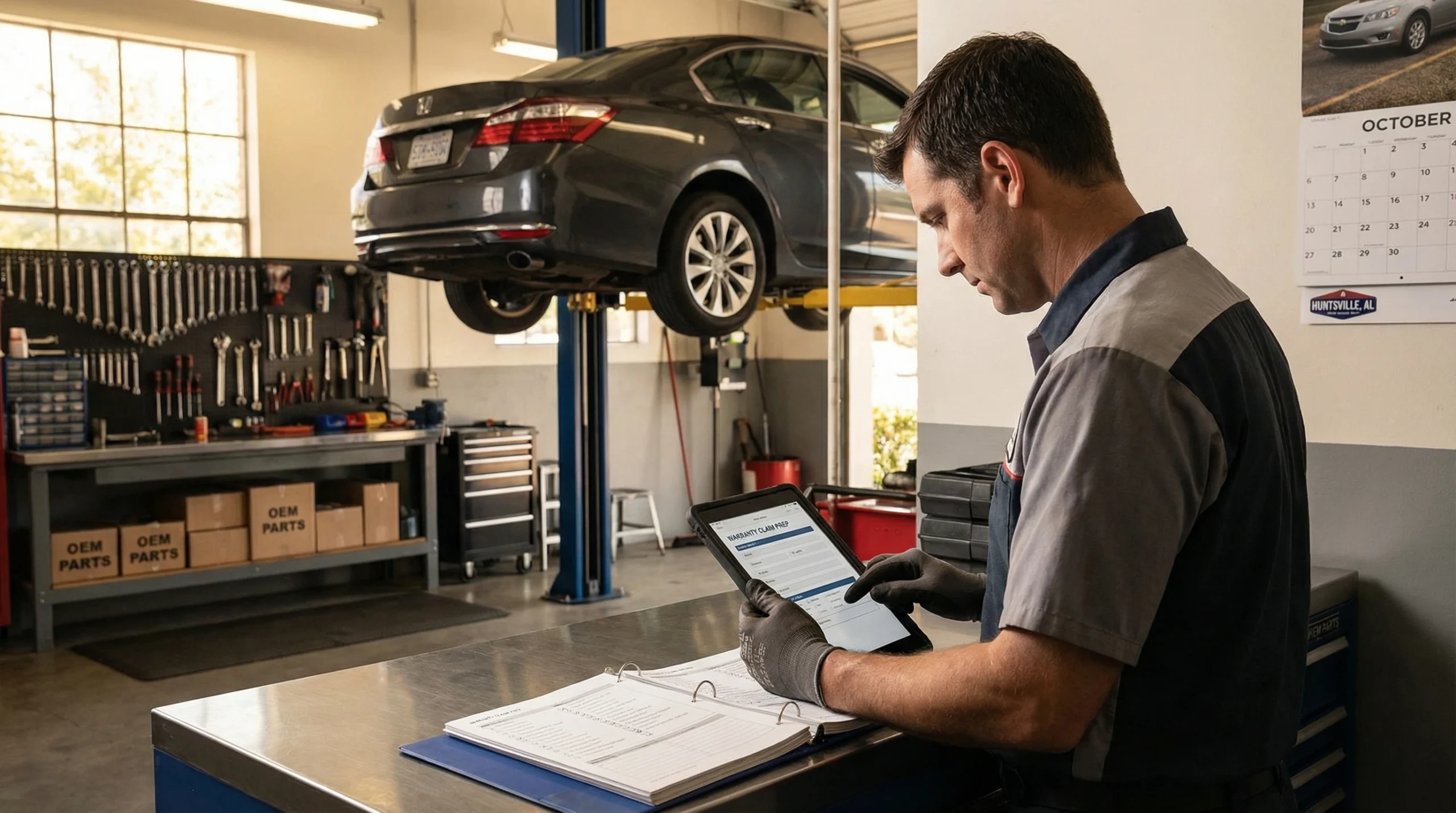
Wait for the shop to call CarShield. The mechanic will figure out what’s wrong, then call the claims department at 1-800-531-1925. They’ll describe the problem and give a repair cost.
CarShield will say yes or no. If approved, they’ll give the shop an authorization number. That number is super important—it proves CarShield agreed to pay.
You pay your deductible and any non-covered costs. CarShield pays the shop directly by credit card. You just pay your deductible (usually $100 or less) and anything that wasn’t covered.
The whole process can take 30 minutes if everything goes smoothly. But if the mechanic doesn’t have the right paperwork or CarShield wants an inspection, it can take days.
Documentation That Gets Claims Approved Fast
Adjusters love paperwork. The more proof you have, the faster your claim gets approved.
Here’s what you should always have ready:
Your contract. Bring the actual CarShield contract to the shop. If you lost it, call CarShield customer service at 1-800-587-4162 and ask for a copy.
Maintenance receipts. Show that you changed your oil, rotated tires, and did what the car’s manual said to do. Even if you did it yourself, write down the dates and mileage.
Odometer photo. Take a picture of your odometer every time you do maintenance. It proves when things happened.
Problem description. Write down when the problem started, what you heard or saw, and if you kept driving. Be specific. “Car made a grinding noise Monday morning. Drove it two miles to work. Parked it and called a tow truck.”
I once had a customer whose claim got approved in 15 minutes because she had every oil change receipt for the past three years. The adjuster didn’t even ask follow-up questions.
How to Talk to CarShield Adjusters: A Mechanic’s Playbook
What Adjusters Need to Hear (And What Makes Them Say No)
Adjusters aren’t trying to screw you over. They just need to follow the rules in your contract. If you give them what they need, they’ll approve your claim.
Here’s what they want to hear:
- “The car was maintained on schedule.” Show them maintenance receipts or at least dates.
- “I stopped driving as soon as I noticed the problem.” Even if you drove it a little, admit it and explain why.
- “The mechanic says it’s a covered component.” Let the shop do the talking here. They know the contract better than you do.
- “I’m out of my waiting period.” Check your contract to see when coverage started. If you’re still in the waiting period, you’re out of luck.
- What makes adjusters say no?
- “I haven’t changed the oil in two years.” That’s neglect. They’ll deny the claim.
- “I don’t know if I have receipts.” Without proof of maintenance, they’ll assume you didn’t do it.
- “I drove it for a week with the check engine light on.” That’s continued operation. They’ll only cover the original problem, not the damage you caused by driving.
- “I modified the engine.” Aftermarket parts or changes void most coverage.
Be honest. Be polite. And have your paperwork ready.
The Magic Words That Speed Up Approvals
I’m not saying there are secret codes, but there are phrases that make adjusters relax and trust you.
Try these:
- “I followed the manufacturer’s maintenance schedule.” This tells them you took care of the car.
- “I have all my service receipts right here.” Music to their ears.
- “The shop called before starting any work.” Shows you know the rules.
- “The mechanic thinks it’s a covered failure, not wear and tear.” This frames the problem correctly.
One phrase to avoid: “I think this should be covered.” Don’t guess. Let the adjuster and mechanic decide based on the contract.
Common Huntsville Car Problems and CarShield Coverage
Engine and Transmission Issues: What’s Actually Covered
Engines and transmissions are the most expensive repairs, so everyone wants to know if CarShield covers them.
- Short answer: yes, usually. But not always.
- CarShield covers mechanical breakdown or failure. That means something broke because of normal use, not because you skipped oil changes or drove through a flood.
- Here’s what I’ve seen get approved:
- Engine failures. Cracked pistons, bad lifters, worn camshafts. These are covered components in most CarShield plans.
- Transmission problems. Slipping gears, failed solenoids, torque converter issues. Usually covered.
- Cooling system. Radiator, water pump, thermostat. Covered if they fail, not if they’re just leaking from age.
- Here’s what usually gets denied:
- Engine sludge. This happens when you don’t change oil. Corrosion. Rust and corrosion aren’t covered.
- Wear and tear. If the part just wore out over time, it’s not a mechanical failure.
- Dry rot. Cracked hoses and belts from age aren’t covered.
- The WalletHub review of CarShield WalletHub confirms that normal wear and tear items like brake pads, shocks, and struts are excluded.
The “Continued Operation” Trap You Need to Avoid
This is the sneakiest reason claims get denied, and it catches people off guard every time.
Continued operation means you kept driving after you knew something was wrong. And “knew” can mean anything—a warning light, a weird noise, smoke, or even just a feeling that something wasn’t right.
Here’s a real example from a BBB complaint Better Business Bureau: A customer’s engine made noise. They drove it to the shop. Then they drove it again with the noise still there. CarShield denied the engine repair and only covered the lifter that caused the noise. Why? Because driving with the noise made things worse.
How do you avoid this trap?
Stop driving the second you notice a problem. Pull over, turn off the car, and call for a tow.
Don’t test it. Even starting the car to “see if it still makes the noise” can count as continued operation.
Tell the truth. If you drove it two miles, say so. Explain that you didn’t know it was serious.
The second you stop driving, your claim is safer. The longer you keep going, the more CarShield can argue you caused extra damage.
Smart Documentation Habits That Save Claims
Maintenance Records: Your Best Defense
I cannot say this enough: keep your receipts.
CarShield wants to see that you maintained your car. No receipts means no proof. And no proof means they can deny your claim.
Here’s what you should save:
Oil change receipts. Every single one. Date, mileage, and shop name.
Tire rotations. Shows you’re taking care of the car.
Fluid changes. Coolant, transmission fluid, brake fluid.
Manufacturer-recommended service. Check your owner’s manual. If it says “replace spark plugs at 100,000 miles,” do it and save the receipt.
What if you change your own oil? Write it down. Note the date, mileage, and oil type. Take a photo of the odometer. It’s not as good as a shop receipt, but it’s better than nothing.
One more tip: take photos of receipts and store them in Google Drive or Dropbox. Paper receipts fade and get lost.
Photos and Notes That Prove Your Case
Sometimes a photo is worth a thousand words—and a thousand dollars in claim approval.
Here’s what to photograph:
- Dashboard warning lights. If the check engine light comes on, take a picture.
- Odometer reading. Show the exact mileage when the problem started.
- The problem itself. Leaking fluid? Smoke? Weird rust? Take a photo.
- Damage after tear down. Once the mechanic opens things up, have them take pictures of the broken parts.
I also recommend keeping a car journal. Sounds nerdy, but it works. Every time something happens, write it down:
“June 5, 2025 – Check engine light came on at 87,320 miles. Called CarShield. Towed to Joe’s Auto.”
“June 6, 2025 – Joe found bad oxygen sensor. CarShield approved repair. Authorization number 12345.”
This creates a timeline. If CarShield ever questions when something happened, you have proof.
What to Do When CarShield Denies a Claim
The Appeal Process Nobody Tells You About
So your claim got denied. Now what?
First, don’t panic. Claim denials happen all the time, and many of them get reversed.
Here’s what you should do:
Ask for a written explanation. Call CarShield at 1-800-587-4162 and ask exactly why the claim was denied. Get the name of the person you talked to and the date.
Review your contract. Read the exact language about what’s covered and what’s not. Sometimes the adjuster made a mistake.
Gather more evidence. If they denied it for lack of maintenance, find more receipts. If they said it’s wear and tear, ask your mechanic to write a statement explaining why it’s actually a mechanical failure.
File a formal appeal. Call CarShield and say you want to appeal the denial. They’ll review it again, usually with a Senior Legal Claims Specialist.
Be patient. Appeals can take a few days or even a week.
When to Push Back (and When to Move On)
Not every denial is worth fighting.
Here’s when you should push back:
The denial doesn’t match your contract. If your contract clearly says “engine covered” and they denied an engine repair, fight it.
You have solid maintenance records. If they said you didn’t maintain the car but you have proof, appeal.
The mechanic agrees with you. If your trusted shop says “this should be covered,” listen to them.
Here’s when to move on:
The contract clearly excludes it. If brake pads aren’t covered and you need brake pads, you’re not going to win.
You don’t have maintenance proof. Without receipts, it’s your word against theirs.
You definitely kept driving after the problem started. If you drove 200 miles with smoke coming out, they’re not going to budge.
It’s a $200 repair. Sometimes it’s not worth the hassle. Pay it and move on.
I’ve seen people spend weeks fighting over $150 repairs. Life’s too short. Save your energy for the big stuff.
Conclusion
Getting CarShield claims approved in Huntsville doesn’t have to be a nightmare. It just takes a little preparation and knowing what adjusters want to see.
Stop driving the second something goes wrong. Call CarShield before any work starts. Keep your maintenance receipts. Be honest with the adjuster. And if a claim gets denied, don’t be afraid to appeal.
Most claims get approved if you follow the rules. The ones that don’t? Usually it’s because someone skipped a step or didn’t have the right paperwork.
Take care of your car, document everything, and you’ll be fine.
FAQs
Can I use any mechanic in Huntsville for CarShield repairs?
You can use any licensed repair facility or ASE-certified mechanic. But not all shops accept CarShield. Call ahead and ask if they work with CarShield contracts. Some shops refuse because of payment delays or parts requirements. You can also check shieldrepairnetwork.com to find shops that definitely accept CarShield.
How long does CarShield take to approve a claim?
If your mechanic has all the right paperwork and calls CarShield at 1-800-531-1925, approval can happen in 20-30 minutes. But if CarShield wants to send an inspector or needs more documentation, it can take 2-3 days. The faster you provide maintenance receipts and contract info, the faster it goes.
What happens if I start repairs before CarShield approves?
You might have to pay for everything yourself. According to CarShield’s contract, no claims will be paid without prior authorization CarShield. If your mechanic fixes your car before getting approval, CarShield can refuse to pay. Always wait for the authorization number before work begins.
Does CarShield cover pre-existing problems?
No. If a problem existed before your waiting period ended, CarShield won’t cover it. Most contracts have a 30-day or 1,000-mile waiting period when coverage first starts. Anything that breaks during that time won’t be covered. And if CarShield can prove the problem existed before you bought the contract, they’ll deny the claim.
Why do some Huntsville mechanics refuse to work with CarShield?
Some mechanics say CarShield takes too long to pay or tries to use cheaper parts than they recommend. Others complain about labor rate limits that don’t match what they normally charge. The FTC investigation into CarShield FTC Consumer Advice found that some customers had trouble finding mechanics willing to accept CarShield contracts. Always call the shop first and ask if they work with CarShield before towing your car there.