
You’re driving home after work on University Drive, and bam! Your car hits a deep pothole you didn’t see coming. Your heart sinks as you feel that ugly thump under your wheels.
If you’re like most Huntsville drivers, you’re now wondering: will my extended warranty cover this mess? The short answer might surprise you.
Why Huntsville Drivers Need to Worry About Potholes
Let’s be honest. Huntsville roads take a beating. Between our hot summers and those surprise winter freezes, our streets go through a lot.
Huntsville’s Road Conditions and Weather Impact
I’ve lived here for years, and I can tell you that pothole season is real. When water gets into tiny cracks in the road and then freezes, it makes those cracks bigger.
Then the ice melts, and the road breaks apart. Add heavy traffic, and you get those nasty potholes that can really hurt your car.
According to the City of Huntsville, they have crews working hard to fix these problems. But with four trucks trying to cover all our streets, some potholes stick around longer than they should.
How Potholes Form in Alabama’s Climate
Alabama’s freeze-thaw cycles are sneaky. We don’t get snow every week like up north, but when it does freeze, the damage happens fast.
Heavy rain makes it worse. Water seeps into the pavement, weakens the base material underneath, and creates those annoying holes in the road.
Local repair shops in Huntsville see a big jump in suspension damage every winter and spring. That’s not a coincidence.
What Happens When You Hit a Pothole?
When your car slams into a pothole, several things can go wrong. Some you’ll notice right away. Others might show up weeks later.
Tire and Wheel Damage
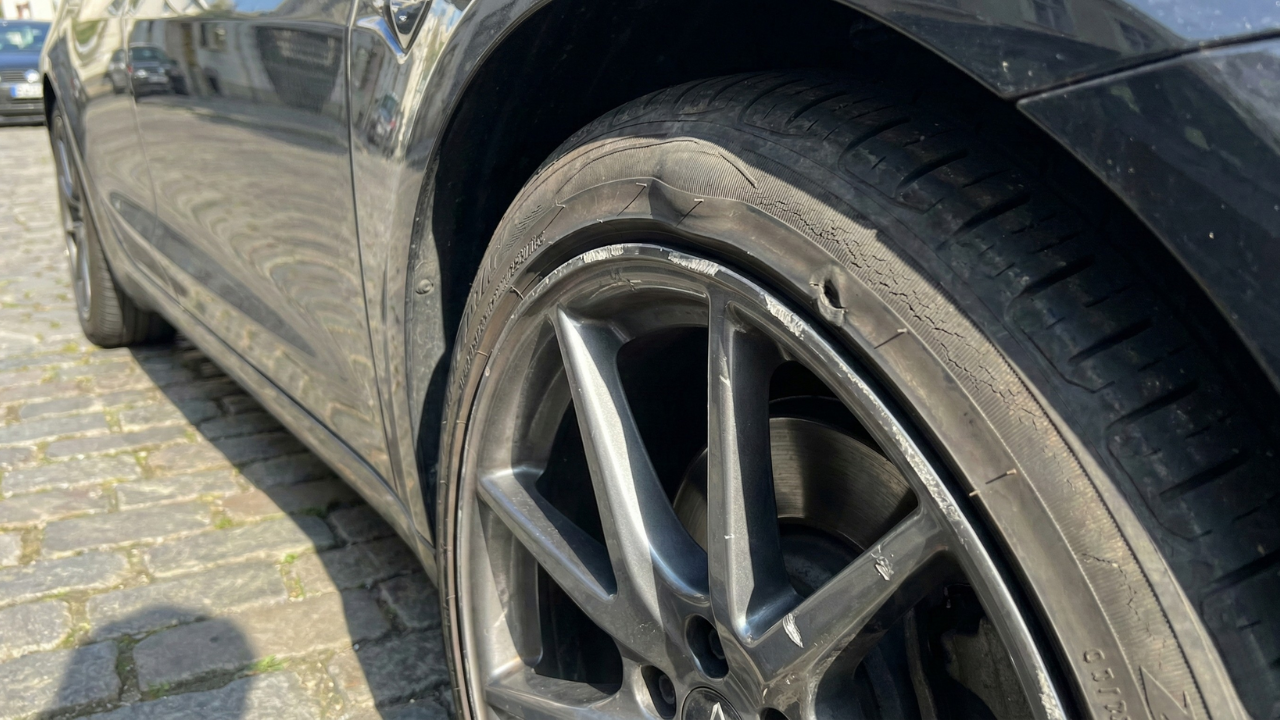
Your tires take the first hit. I once hit a deep pothole on Memorial Parkway and didn’t think much of it. Two days later, my tire went completely flat.
Tire punctures can happen instantly or develop into slow leaks. Your rims can also bend or crack, especially if you have those nice aluminum wheels.
According to a study from Consumer Reports, pothole damage to tires and wheels is one of the most common vehicle problems in areas with poor road conditions.
Suspension System Problems
Here’s where things get expensive. Your suspension system includes parts like shocks, struts, control arms, and bushings.
When you hit a hard pothole, these parts absorb that impact. Do it enough times, and they start to wear out faster than normal.
Signs of suspension trouble include your car bouncing too much, pulling to one side, or making weird noises when you turn.
Understanding Your Suspension System
Before we talk about warranty coverage, you need to know what parts we’re dealing with.
What Are Shocks and Struts?
People often think shocks and struts are the same thing. They’re not.
Shock absorbers use hydraulic fluid to keep your car from bouncing like a basketball when you hit bumps. They control how much your car’s springs move.
Struts do more work. They support your car’s weight and help with steering and alignment. They’re stronger and more complex than regular shocks.
Here’s the thing: your car has either shocks or struts on each wheel, never both. Check your owner’s manual if you’re not sure which your car has.
Signs Your Suspension Is Damaged
Your car will tell you when something’s wrong. You just need to listen.
Uneven tire wear is a big clue. If your tires look “cupped” or worn in strange patterns, your suspension might be the problem.
Excessive bouncing is another sign. When you hit a bump and your car keeps bouncing several times, that’s not normal.
If your car sits lower than usual or the frame scrapes the road, that’s called bottoming out. It means your suspension is failing, and you need to get it fixed fast.
Leaking fluid near your wheels could mean your shock absorbers are going bad.
Are Shocks and Struts Covered Under Warranty?
This is the million-dollar question. And I wish I had better news for you.
Factory Warranty Coverage Explained
Your factory warranty will cover shocks and struts if they fail because of a manufacturing defect. That means something was wrong with how the part was made.
But here’s the catch: if your shocks or struts wear out from normal driving or pothole damage, your factory warranty won’t cover it.
Most manufacturer warranties call these parts “wear and tear” items, just like brake pads or spark plugs.
According to Endurance Warranty Services, even bumper-to-bumper coverage typically excludes suspension parts that wear out from regular use.
Extended Warranty and Vehicle Service Contracts
Unfortunately, most extended warranties and vehicle service contracts (VSCs) also exclude shocks and struts.
I know that’s frustrating to hear, especially after you spent good money on that warranty.
These parts are considered maintenance items that will eventually need replacing no matter how carefully you drive.
Think of it like this: warranty companies know that everyone’s shocks and struts will wear out eventually. If they covered them, they’d be paying claims constantly.
What Extended Warranties Typically Don’t Cover
Let’s talk about what else usually isn’t covered. This will save you some headaches later.
Wear and Tear vs. Manufacturing Defects
There’s a big difference between these two things.
Wear and tear means the part wore out from normal use over time. No warranty covers this.
Manufacturing defects mean the part was faulty from the factory. This IS covered, but only during your factory warranty period.
Hitting a pothole counts as road damage, not a defect. So even if your strut breaks after hitting a hole, it’s probably not covered.
Common Exclusions You Should Know
Besides suspension parts, most warranties don’t cover windshield wipers, brake pads, tires, or spark plugs.
They also won’t cover damage from accidents, neglect, or misuse.
Always read your warranty contract carefully. I learned this the hard way when I assumed something was covered and it wasn’t.
Other Ways to Get Coverage for Pothole Damage
Don’t give up hope yet. You might have other options.

Auto Insurance and Collision Coverage
Your auto insurance might help, but only if you have collision coverage.
Collision coverage can pay for damage to hard parts like your suspension components if you hit a pothole. But it usually won’t cover your tires.
Here’s the problem: you’ll need to pay your deductible first. If your deductible is $500 and the repair costs $600, you’re only getting $100 back.
According to insurance experts, you should only file a claim if the damage costs at least twice your deductible. Otherwise, you’re risking higher insurance premiums for not much benefit.
Road Hazard Tire Warranties
Some tire shops offer road hazard warranties when you buy new tires. These special warranties cover damage from potholes, nails, glass, and other road hazards. Companies like Continental, Dunlop, and Kumho offer these warranties, but they usually only last one year.
A Consumer Reports tire expert says these warranties can be worth it if you live in a pothole-plagued area like parts of Huntsville. Just remember: you’ll still probably pay for mounting, balancing, and disposal even if the warranty covers the tire itself.
How Much Does Suspension Repair Cost in Huntsville?
Let’s talk money. Because that’s what you really want to know, right?
Average Repair Costs for Popular Vehicles
According to RepairPal, the average cost to replace shocks or struts ranges from $852 to $928.
But that varies a lot depending on what you drive.
Here are some examples:
- Ford F-150: $649 to $875
- Honda Accord: $918 to $1,337
- Nissan Altima: $978 to $1,144
- BMW 328i: $2,100 to $2,357
- Jeep Wrangler: $461 to $671
I asked a mechanic at Damson Service Center in Huntsville, and he told me luxury cars cost way more. The parts are expensive, and the labor takes longer.
Factors That Affect Your Repair Bill
Several things change how much you’ll pay. Your car’s make and model matters most. Luxury cars and sports cars cost more to fix. Whether you need shocks or struts makes a difference. Struts are usually more expensive because they’re more complex. Where you get the repair done also changes the price. Dealerships charge more than independent shops, but they use OEM parts (original equipment from the manufacturer).
What to Do If You Hit a Pothole in Huntsville
Okay, you just hit a pothole. Here’s exactly what you should do.
Immediate Steps After Impact
First, pull over safely and look at your car. Check for obvious damage like a flat tire or bent rim. If you can drive safely, go to a nearby parking lot for a better look. Take pictures of everything. Your damaged tire, the wheel, any fluid leaks, and any other problems you see. According to car experts, photos are your best friend if you plan to file any kind of claim.
Filing a Claim with the City of Huntsville
Here’s something many people don’t know: you can file a claim with Huntsville for pothole damage.
The City of Huntsville has a claims process. Whether they pay depends on if they knew about the pothole long enough to fix it.
Here’s what you need to do:
- Write down the date, time, and exact location of the pothole
- Take pictures of the pothole and your vehicle damage
- Get at least two repair estimates
- Report the pothole through Huntsville Connect
- Fill out a claim form (you can get it online or from the city attorney’s office)
Be warned: the process can take a while, and there’s no guarantee you’ll get paid. But it’s worth trying, especially if the damage is expensive.
How to Protect Your Car from Pothole Damage
Prevention is way cheaper than repair. Trust me on this one.
Driving Tips for Huntsville Roads
Keep a safe distance from the car in front of you. This gives you more time to spot potholes and avoid them. Slow down on roads you know have problems. Memorial Parkway, University Drive, and some parts of Highway 72 can be rough. Don’t swerve suddenly to avoid a pothole if there’s traffic around you. Sometimes it’s safer to hit the pothole slowly than to cause an accident. If you can’t avoid a pothole, slow down as much as safely possible before you hit it. This reduces the impact.
Regular Maintenance to Prevent Bigger Problems
Keep your tires properly inflated. Under-inflated tires get damaged more easily. Get your alignment checked regularly, especially if you drive on rough roads a lot. Have a certified technician inspect your suspension during regular service visits. According to local repair shops in Huntsville, catching small problems early can save you hundreds of dollars later.Most manufacturers recommend replacing shocks and struts every 50,000 to 100,000 miles, depending on your driving conditions.
Conclusion
So here’s the bottom line: your extended warranty probably won’t cover suspension damage from hitting potholes in Huntsville.That stinks, I know. But now you know other options. Your auto insurance might help if you have collision coverage. The City of Huntsville has a claims process. And tire road hazard warranties can protect your wheels. The best strategy? Drive carefully, keep your car maintained, and save some money for unexpected repairs. Because on Huntsville roads, it’s not if you’ll hit a pothole—it’s when.
FAQs
Does my extended warranty cover pothole damage to my suspension?
Most extended warranties and vehicle service contracts do not cover suspension damage from potholes because it’s considered wear and tear, not a manufacturing defect. Your factory warranty only covers defects, not road damage.
How much does it cost to replace shocks and struts?
The average cost ranges from $852 to $928, but it depends on your vehicle. A Ford F-150 might cost $649 to $875, while a BMW 328i could cost $2,100 to $2,357. Luxury cars and sports cars are always more expensive to repair.
Can I file a claim with the city of Huntsville for pothole damage?
Yes! The City of Huntsville has a claims process for pothole damage. You need to document everything (date, time, location, photos), get repair estimates, and file a claim form. Whether they pay depends on if they knew about the pothole long enough to fix it.
What’s the difference between shocks and struts?
Shocks use hydraulic fluid to control bouncing and keep your ride smooth. Struts do more—they support your car’s weight, help with steering and alignment, and include a spring and shock absorber. Your car has either shocks or struts on each wheel, never both.
Will my auto insurance cover suspension damage from potholes?
Maybe. If you have collision coverage, your insurance might pay for suspension damage (but not usually tires). You’ll pay your deductible first, and filing a claim could raise your premiums. Only file if the damage costs at least twice your deductible.