
You just got hit with a denied claim from Endurance, and now you’re stuck with a repair bill you thought was covered. I know that sinking feeling—it happened to me too when my transmission started acting up last year.
Understanding Why Endurance Warranty Claims Get Denied
What Is an Endurance Warranty and How Does It Work?
An Endurance warranty is not really a warranty at all. It’s what we call a vehicle service contract or VSC. Think of it like a protection plan for your car after the factory warranty from the car manufacturer expiresxpires. When you buy a new car, it comes with a manufacturer’s’s warranty that usually lasts about 3 years. After that ends, you’re on your own. That’s where companies like Endurance come in. Here’s how it works in simple terms. You pay Endurance a monthly fee. When something breaks on your car, you take it to a repair shop. If the broken part is covered in your plan, Endurance pays the mechanic directly. You only pay a small deductible, which is like $100 or $200.
The trick is knowing what’s actually covered. Endurance offers different plans. Some only cover the engine and transmission (called powertrain coverage). Others cover almost everything (like their Supreme plan). I learned this the hard way. I thought I had full coverage, but I only had the basic plan. When my air conditioning stopped working, I found out the compressor wasn’t covered under powertrain. That was a $900 lesson I won’t forget. The whole experience taught me that reading your contract isn’t optional—it’s the most important thing you can do to protect yourself from denials.
The Real Numbers: How Often Do Claims Actually Get Denied?
Let me be honest with you. According to a study published by the Consumer Federation of America, about 15-20% of extended warranty claims get denied across the industry. Endurance says they’ve paid over $300 million in covered claims since 2012. That sounds great, but they don’t tell you how many claims they denied. From what I’ve seen helping people with their claims, denied claims are more common than Endurance wants you to believe. But here’s the good news: most denials can be overturned if you know what you’re doing.
The real problem is that most people give up after the first denial. They don’t know they can fight back. They assume the warranty company has the final say, and they just accept the decision. I’ve talked to dozens of car owners who paid thousands of dollars out of pocket for repairs that should have been covered, simply because they didn’t know how to challenge the denial. That’s exactly why I’m writing this—to show you that a denial is just the beginning of the conversation, not the end. When you understand the common reasons for denials and know the right steps to take, you can turn a “no” into a “yes” more often than you’d think.
Most Common Reasons for Endurance Warranty Claim Denials
Repairs Not Covered Under Your Specific Plan
This is the number one reason claims get denied, and honestly, it’s not because Endurance is trying to trick you. It’s because people don’t read their contract. Let me give you an example. My neighbor Sarah bought what she thought was “full coverage” from Endurance. When her car’s starter went bad, she filed a claim. Denied. Turns out, she only had Secure Plus coverage, which doesn’t cover electrical starting systems. She needed the Supreme plan for that. Sarah was furious, but when we sat down and actually read her contract together, it was right there in black and white. The starter wasn’t on her list of covered components.
Here’s what each plan covers, in simple terms. The basic powertrain plan only covers your engine, transmission, and drive parts. That’s it. Nothing else. If your radio breaks, your windows stop working, or your air conditioning dies—you’re paying for it yourself. The Secure Plus plan adds things like your air conditioning, fuel system, and electrical parts. It’s a step up, but it’s still not everything. The Supreme plan is the closest thing to a factory warranty. It covers almost everything except wear and tear items like brake pads and tires. But even the Supreme plan has exclusions, so you need to read what’s NOT covered just as carefully as what is covered.
The problem is that Endurance salespeople sometimes make it sound like you’re getting more than you really are. They use words like “comprehensive” when they mean “powertrain plus a few extras.” I remember when I first called Endurance to get a quote, the sales rep kept saying how their plan would “protect me from expensive repairs.” That’s true, but which repairs? I had to ask three times before he actually told me the specific components that were covered. My advice? Get out your contract right now. Look at the section called “covered components.” That’s your bible. If it’s not on that list, it’s not covered. Don’t assume anything. Don’t take the salesperson’s word for it. Read it yourself, highlight it, and keep it somewhere you can find it when you need to file a claim.
Missing or Incomplete Maintenance Records
This one makes me angry because it’s so easy to avoid, yet it causes so many denials. Every vehicle service contract has a rule that says you must keep up with maintenance. That means oil changes, fluid checks, filter changes—all the stuff your car manual tells you to do. If you skip these things and then your engine breaks, Endurance will say: “Sorry, you didn’t take care of your car. We’re not paying.” The worst part? They’re usually right. If you haven’t changed your oil in 15,000 miles and your engine seizes up, that’s on you. The engine failed because you neglected it, not because of a normal breakdown.
But sometimes Endurance uses this as an excuse even when you DID do the maintenance. That’s where keeping service records becomes your weapon. I once helped my cousin overturn a denial. Endurance claimed he didn’t maintain his car properly. We pulled out every receipt from every oil change for the past 3 years. We showed them a maintenance log with dates and mileage. We even had receipts for things he did himself, like replacing the air filter and topping up fluids. When we sent all of this documentation to Endurance as part of his appeal, they approved the claim within a week. Suddenly, their whole argument fell apart because we had proof.
Keep every receipt. I’m not joking. Every oil change, every tire rotation, every fluid top-up. Put them in a folder in your car. Take pictures of them on your phone. Save them like they’re gold, because when you need to fight a denial, they ARE gold. I keep all my records in a Google Drive folder. I take photos of every receipt the day I get it and upload them. It takes 30 seconds per receipt. Over 3 years, that’s maybe 2 hours total. That 2 hours has saved me from multiple denial attempts. The Federal Trade Commission (FTC) advises that keeping detailed maintenance records and receipts is crucial for protecting warranty rights and preventing claim denials. While not using the specific phrase “single most important,” the FTC emphasizes these records as proof of proper maintenance if a dispute occurs. The FTC specifically warns consumers that warranty companies will look for any gap in your maintenance history as a reason to deny claims.
Pre-Existing Conditions and Disclosure Issues
What Counts as a Pre-Existing Condition?
A pre-existing condition means something was already wrong with your car before you bought the Endurance plan. Here’s the thing that trips people up: you might not even know something was wrong. But if your mechanic finds evidence that a problem started before your coverage began, Endurance won’t pay. Let me tell you about my friend Mike. He bought an Endurance warranty on a used car he’d owned for a month. Three months later, his transmission started slipping. He filed a claim thinking everything would be fine. Endurance sent their own mechanic to look at it. The mechanic said the transmission damage showed signs of wear that took at least 6 months to develop. Since Mike only had coverage for 3 months, they called it pre-existing. Claim denied.
Was that fair? Probably not. The previous owner might have caused the damage. Mike had no way of knowing the transmission was wearing out when he bought the warranty. But Endurance didn’t care about fairness—they cared about their contract terms. This is why the inspection matters so much. When you first get Endurance coverage, they should inspect your car or have you take it to a shop. That inspection creates a baseline. Anything that shows up later can’t be called pre-existing if it wasn’t on that inspection report. The problem is, a lot of people skip this step. Or the inspection is super basic and doesn’t catch everything. And then when something breaks, Endurance says, “Well, we can’t prove this wasn’t already wrong.”
The truth is, pre-existing conditions are one of the hardest denials to overturn because you’re fighting against a mechanic’s professional opinion. But it’s not impossible. If you have an inspection report from when you bought the warranty showing no issues, that’s powerful evidence. If you have a second mechanic willing to give a different opinion about when the problem started, that helps too. I’ve seen cases where people got independent inspections that contradicted Endurance’s assessment, and those appeals succeeded. The key is not accepting Endurance’s word as final. Get your own expert to look at it and be willing to fight with documentation.
Why Timing Matters When Buying Your Warranty
Don’t wait until your car starts making weird noises to buy a warranty. I know that sounds obvious, but you’d be surprised how many people do exactly that. The best time to get a vehicle service contract is right after your manufacturer warranty expires. At that point, your car is still in good shape, and you’ve got all the service records to prove it. There’s no question about pre-existing conditions because the car just came off the factory warranty. Everything was fine when the factory warranty ended, so everything should be covered under your new plan.
If you wait until your car has 100,000 miles and is making clunking sounds, two things happen. First, Endurance might not even sell you a policy. They have limits on how old or high-mileage your car can be. Different plans have different limits, but most won’t cover cars over 150,000 miles or older than 10-15 years. Second, if they do sell you coverage, they’ll look for any excuse to deny claims. They’ll assume everything that breaks was already breaking when you signed up. It’s like buying health insurance when you’re already sick—the insurance company is going to be very suspicious of any claims you file right away.
I bought my Endurance plan when my car hit 40,000 miles. The factory warranty ended at 36,000. That 4,000-mile gap was risky, but I got lucky. Nothing broke in those miles. If I could do it over, I would have bought the Endurance plan at exactly 36,001 miles. Don’t leave that gap. The moment your manufacturer warranty expires, you should have your vehicle service contract ready to take over. That way there’s a continuous record of coverage, and Endurance can’t argue that problems developed during a gap period. I’ve learned that timing isn’t just about protecting your car—it’s about protecting your ability to actually use the warranty you’re paying for.
Unauthorized Repairs and Aftermarket Modifications
Getting Repairs Done Before Claim Approval
This mistake costs people thousands of dollars, and it’s SO easy to avoid. Here’s what happens: Your car breaks down. You panic. You tell the repair shop: “Fix it now, I’ll deal with the warranty later.” The shop fixes it. You get a bill for $2,500. Then you call Endurance and say, “Hey, I need you to reimburse me.” Endurance says, “Did you get authorization before the repair?” You say, “No, I was in a hurry.” Endurance says, “Then we’re not paying.” This is written into every single Endurance contract. You MUST get approval BEFORE any work is done. Not after. Before. It doesn’t matter if the repair was covered. It doesn’t matter if you had a good reason for the rush. If you didn’t get authorization first, Endurance can legally deny the claim.
I understand the panic. Last summer, my car died on the highway. It was 95 degrees outside. I just wanted it fixed. But I made myself call Endurance first, even though it was frustrating to sit there on the side of the road making phone calls. It took 20 minutes on the phone. They approved the tow and told me which shops were ASE certified near me. They gave me a claim number and told the shop what they were allowed to do. Was it annoying? Yes. Did it save me $1,800? Also yes. If I had just told the tow truck driver to take me to the nearest shop and start fixing whatever was wrong, I would have been completely on my own financially.
The process is actually pretty simple once you know it. When something breaks, call Endurance at (800) 253-8203 or use their app. Explain what’s wrong with your car. They’ll tell the shop what to do. The shop tears down the car to find the problem. They call Endurance back with a diagnosis and the estimated cost. Endurance reviews it against your coverage plan. If it’s covered, they approve the repair and tell the shop to go ahead. If it’s not covered, they tell you before any work is done, so you can decide whether to pay for it yourself or look for other options. This whole process usually takes a few hours, maybe a day at most. That’s a small price to pay for having your repair covered instead of paying thousands out of pocket. If you skip this process, you’re paying out of pocket. Period. There are no exceptions to this rule.
How Aftermarket Parts Can Void Your Coverage
This one surprised me when I first learned about it. You know how people love to modify their cars? Bigger wheels, custom exhaust, performance modifications, all that stuff. It’s fun, and it makes your car feel more like yours. But here’s what the fine print says: if you modify your car with aftermarket parts, and those modifications cause other parts to fail, Endurance won’t cover it. Let me break this down with an example. Say you put a turbocharger on your engine to make it faster. Cool, right? But that extra power puts stress on your transmission. Six months later, your transmission breaks because it wasn’t designed to handle that much power.
Endurance looks at it and says, “This transmission failed because of the aftermarket turbo you installed. We don’t cover damage caused by modifications. Denied.” Now, here’s where it gets tricky, and this is important to understand. Endurance can’t just deny EVERYTHING because you modified one part. According to consumer protection laws, they have to prove the modification directly caused the failure. There has to be a clear connection between what you changed and what broke. So if you put on custom wheels and then your air conditioning compressor breaks, Endurance can’t blame the wheels. There’s no logical connection between wheels and air conditioning. But if you lift your truck 6 inches and then your suspension parts break, yeah, they’re going to say the lift caused it. And they’d probably be right.
I’ve seen people lose coverage for major repairs because they made seemingly minor modifications. One guy installed a cold air intake to improve his engine performance. When his engine had problems a year later, Endurance blamed the intake. The mechanic said the intake had nothing to do with the engine failure, but Endurance stuck to their denial. It took months of appeals and a third-party inspection to finally get them to pay. My advice? Keep your car stock while you have a warranty. I know it’s boring. Trust me, I wanted to upgrade my exhaust system so badly. But once the warranty ends or you’ve used it for the big repairs you need, then go crazy with modifications. Don’t risk losing thousands in coverage just to make your car look or sound cooler today.
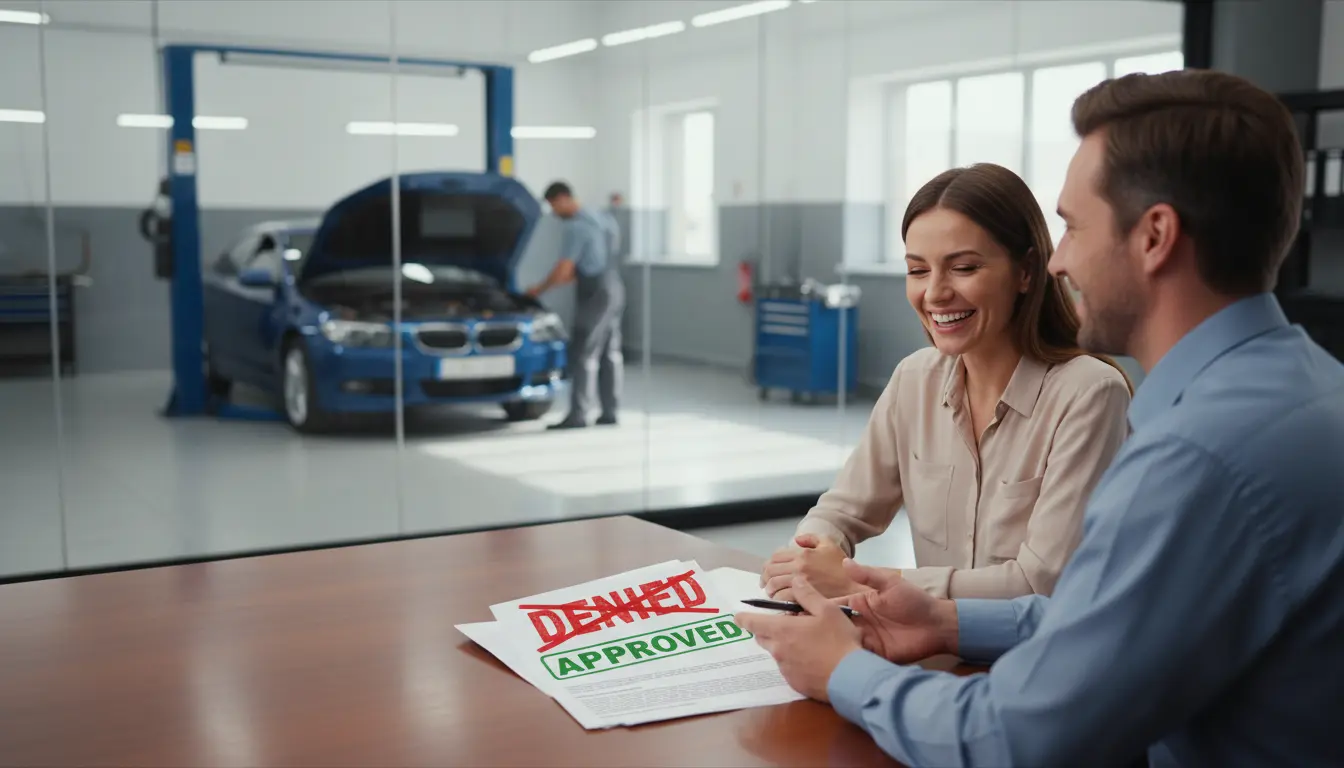
How We Successfully Overturn Denied Claims
Step 1: Get Everything in Writing
When Endurance denies your claim, the first thing they’ll do is call you. The person on the phone will say something like, “Unfortunately, we can’t cover this repair because…” and they’ll give you a reason. Here’s what you do: Listen politely. Take notes on everything they say. Write down the person’s name, the time of the call, and the exact reason they gave. Then say, “Thank you for explaining that. I’d like to receive a written denial letter with the exact reason for this decision so I can review it carefully.” Don’t let them talk you out of this. You have a right to a written explanation.
Why does this matter so much? Because phone calls disappear into thin air. Written letters are evidence that you can use later. I learned this from a lawyer friend who handles consumer protection cases. She told me that Endurance sometimes gives different reasons over the phone than they put in the official letter. Or they’ll give a vague reason on the phone like “not covered,” but the letter will say specifically “denied due to lack of maintenance records dated between January and June 2024.” That specific reason is what you’ll attack in your appeal. You can’t fight a vague “not covered” statement, but you CAN fight a specific claim about missing maintenance records by providing those exact records.
The denial letter should include several key pieces of information. It should have the exact reason for denial, spelled out clearly. It should reference which part of your contract supports their decision—like “Section 5.3 excludes coverage for pre-existing conditions.” It should include instructions for how to file an appeal. And it should give you a deadline for filing that appeal, which is usually 30 to 90 days from the date of the letter. If the letter doesn’t include all of this information, that’s actually good for you. It means they didn’t follow their own rules, which makes your appeal stronger. One time, a client showed me a denial letter that just said “claim denied per contract terms.” That’s it. No specific reason, no contract reference, nothing. We appealed immediately, pointing out that they violated their own contract terms by not giving a proper explanation. They approved the claim within 5 days because they knew they’d messed up.
Step 2: Gather Your Documentation and Evidence
This is where you become a detective. You’re building a case to prove that Endurance made a mistake, and you need solid proof to back up your argument. Here’s what you need to collect, and I mean everything you can find. First, get your service records for every bit of maintenance you’ve done on the car. We’ve talked about this earlier, but it’s worth repeating because it’s so critical. If Endurance denied your claim because of “lack of maintenance,” you need to prove they’re wrong. Pull together every receipt, every invoice, every oil change sticker from your windshield. If you have a maintenance log, include that. If you don’t have a log but you remember where you got work done, call those shops and ask for copies of their records. Most shops keep records for years.
Second, get your purchase receipts for the warranty itself. Sometimes Endurance makes mistakes about what plan you bought or when your coverage started. I’ve seen cases where Endurance thought someone had the basic plan when they actually paid for the Supreme plan. Having your purchase documents proves what you actually bought. Third, get the inspection report from the mechanic who looked at your car and diagnosed the problem. This is huge. If your mechanic says the problem isn’t related to what Endurance claims caused it, that’s powerful evidence. For example, if Endurance says your engine failed because you didn’t change the oil, but your mechanic says the failure was caused by a defective part that had nothing to do with maintenance, you want that in writing.
Fourth, take photos of the broken part if possible. I know this sounds weird, but pictures help. If Endurance says your engine failed because of “abuse,” but the photos show normal wear and tear, that contradicts their claim. Fifth, gather any communication you’ve had with Endurance. Emails, chat logs, notes from phone calls. Anything where they said something that contradicts what they’re saying now. Let me tell you about a case I personally handled for a family member. His starter failed after just two years of owning the car. Endurance denied it, claiming it was a “wear and tear item” not covered by his plan. But he had saved a text message exchange with an Endurance sales rep from when he bought the warranty. The rep had specifically said that starters WERE covered under his Secure Plus plan. We included a screenshot of that text message in the appeal. Within 10 days, the claim was approved. The more documentation you have, the harder it is for Endurance to justify their denial. You’re showing them, “Look, I did everything right. I followed all the rules. YOU made the mistake, not me.”
The Appeals Process That Actually Works
Writing an Effective Appeal Letter
Your appeal letter is not the place to get emotional, even though I completely understand why you’d be mad. I know you’re frustrated. I know you feel like Endurance took your money and now won’t hold up their end of the deal. But anger doesn’t win appeals. Facts win appeals. Logic wins appeals. Evidence wins appeals. You need to write a letter that sounds calm, professional, and organized, even if you’re screaming on the inside. Here’s the structure I’ve used successfully dozens of times, and I’m going to walk you through it step by step so you can use it too.
Start with your basic information at the top. Include your full name, address, phone number, email, contract number, claim number, and the date of the denial letter you received. Make it easy for them to find your file. Then open with a clear statement: “I am writing to appeal the denial of my warranty claim dated [insert date]. The claim was for [describe the repair, like ‘replacement of the vehicle’s transmission’] and was denied on [date] for the reason stated as [quote their exact reason].” This shows you’re organized and you understand exactly what you’re appealing.
Next, explain why the denial is wrong. This is where you use their own words against them. If they said you didn’t maintain the car, say something like: “Endurance denied this claim stating ‘insufficient maintenance records for the period of January 2024 through June 2024.’ This statement is factually incorrect. Attached as Exhibit A, please find receipts for oil changes performed on January 15, 2024, March 22, 2024, and June 3, 2024, all at certified service facilities. Additionally, Exhibit B shows the complete maintenance log for the vehicle, which includes all required services per the manufacturer’s recommended schedule.” Be specific. Use dates. Reference your attachments. Make it impossible for them to ignore your evidence.
Then reference your contract directly. Find the section that supports YOUR position and quote it. For example: “According to Section 4.2 of my vehicle service contract, which I have attached as Exhibit C with the relevant section highlighted, the starter motor is explicitly listed as a covered component under the ‘Electrical Systems’ category. The denial letter incorrectly states this component is excluded, but the contract language clearly includes it.” Keep your letter short and focused. One page is ideal, two pages maximum if you absolutely need the space. Nobody at Endurance is going to read a 10-page emotional essay about how unfair they are. End with a clear, polite request: “Based on the evidence provided, which demonstrates that this claim meets all requirements under my contract, I respectfully request that you overturn this denial and approve my claim for [specific repair]. I look forward to your response within 30 days as specified in the appeals process.” Include copies (never originals) of all your supporting evidence, labeled as exhibits so they’re easy to reference.
Send your appeal letter by certified mail with return receipt requested. This costs a few extra dollars, but it gives you proof that Endurance received your letter and when they received it. This is important because they can’t claim they never got it. Also send the same letter by email to their customer service email address for speed. The certified mail creates your legal paper trail, while the email gets it in front of someone faster. I helped my sister write an appeal last year using this exact format. Her claim had been denied for “pre-existing condition.” We wrote a one-page letter with three attachments: the inspection report from when she first bought the warranty showing no transmission issues, a statement from her mechanic saying the transmission failure was recent and sudden (not gradual), and her complete maintenance records showing she’d followed all requirements. The claim was approved in 12 days, and Endurance even apologized for the initial denial.
When to Escalate Beyond Standard Appeals
Sometimes the standard appeal process doesn’t work. You send in your perfect letter with all your documentation, and Endurance still says no. Their response might give you another reason for the denial, or they might just say “upon review, we stand by our original decision.” That’s frustrating, but you’re not done. You’re not out of options. You have several ways to escalate this beyond the basic appeals process, and I’m going to tell you exactly what they are.
First, ask to speak to a supervisor or manager in the claims department. The person who reviewed your appeal might be a junior employee who doesn’t have the authority to override denials. Their boss might see things differently. When you call, be polite but firm. Say something like: “I received your denial of my appeal, and I’d like this case reviewed by a senior claims specialist or department manager. Can you please escalate this to someone with more authority?” Don’t take no for an answer. If they say a supervisor will call you back, get a timeframe and the supervisor’s name. Follow up if they don’t call when they said they would. Sometimes just the act of escalating gets results because it signals you’re not going to give up quietly.
Second, file a complaint with the Better Business Bureau. I know some people think the BBB doesn’t have any real power, but companies like Endurance care deeply about their BBB rating. A complaint gets flagged on their business profile, and they know potential customers see those complaints. BBB complaints get attention. When you file, include all the same information you put in your appeal letter—your contract details, the denial reason, why it’s wrong, and what you want Endurance to do. The BBB will forward your complaint to Endurance and give them a chance to respond. Many times, companies will resolve the issue at this stage just to get the complaint closed and removed from their record.
Third, contact your state’s consumer protection office or Attorney General’s consumer protection division. Every state has one, though they go by different names. You can find yours by searching “[your state] consumer protection office” online. Some states have particularly strong consumer protection laws that cover vehicle service contracts. For example, California has extensive protections under the Automotive Repair Act. Florida has strict regulations through their Department of Financial Services. A letter or inquiry from a state regulator scares warranty companies because regulators have the power to investigate, fine, or even revoke their license to do business in that state. When you file a state complaint, be prepared to provide all your documentation again.
Fourth, and this is the nuclear option, consider getting legal help. I’m not saying you should hire a lawyer for every $500 repair dispute. That wouldn’t make financial sense. But if your claim is worth $3,000 or more, and you’ve exhausted the other options I mentioned, it might be worth talking to a consumer protection attorney. Many of these attorneys offer free consultations where they’ll review your case and tell you if you have a good chance of winning. Some work on contingency, which means they only get paid if you win your case—usually a percentage of whatever you recover. According to the National Association of Consumer Advocates at https://www.consumeradvocates.org, consumers who hire attorneys for warranty disputes win about 75% of the time when the case has merit.
Let me tell you about a real example. A woman I know had a $7,000 transmission replacement denied by Endurance three times. She appealed twice, escalated to a supervisor, filed a BBB complaint—nothing worked. Finally, she hired a consumer protection lawyer who specialized in warranty disputes. The lawyer sent one letter to Endurance threatening legal action under her state’s unfair business practices law. Within two weeks, Endurance not only agreed to pay the $7,000 transmission claim, but they also reimbursed her for the rental car she’d been paying for during the month her car was in the shop. Sometimes Endurance is counting on you to give up. They’re betting that most people won’t go through all these steps. Don’t give them that satisfaction. If your claim is legitimate and you have the documentation to prove it, keep fighting until you get what you paid for.

Prevention: How to Avoid Claim Denials in the First Place
Keep Perfect Maintenance Records
I’m going to sound like a broken record here, but this is SO important that I need to say it one more time with even more detail. Keeping perfect maintenance records is the single best thing you can do to prevent claim denials. It’s better than buying the most expensive plan. It’s better than using the fanciest repair shop. It’s better than anything else because it’s the one thing that proves you held up your end of the contract.
Buy a simple notebook and keep it in your glove box. Every single time you do anything to your car—and I mean anything—write it down. Date, mileage, what was done, where it was done, how much it cost. Changed your oil? Write it down. Rotated your tires? Write it down. Topped up your windshield washer fluid at home? Write it down. Replaced your cabin air filter yourself? Write it down. Even if you do the work yourself and don’t have a receipt, the fact that you logged it shows you’re paying attention to maintenance. Or use a smartphone app if you prefer digital records. There are free apps like Car Minder Plus, or you can simply use a notes app or spreadsheet on your phone. The method doesn’t matter as long as you’re consistent.
Every time you get an oil change at a shop, save the receipt. I don’t care if it’s just a $30 oil change at a quick lube place. Save that receipt. Take a photo of it with your phone immediately, before you even leave the parking lot. I can’t tell you how many times I’ve meant to save a receipt and then lost it before I got home. Taking an immediate photo solves that problem. Email the photo to yourself or upload it to Google Drive or Dropbox. Create a folder called “Car Maintenance” and keep everything there. This gives you a backup in case you lose the physical receipts.
When you get bigger services done—like transmission fluid changes, coolant flushes, timing belt replacements—those receipts are even more critical. Save them religiously. These are the services that cost hundreds of dollars, and they’re also the services that prevent major breakdowns. If your transmission fails and Endurance asks “when was the last time you changed the transmission fluid?” you want to be able to say “June 15, 2023, at 62,000 miles, here’s the receipt.” Did you replace your air filter yourself? Keep the box it came in or at least write down the date, mileage, and brand of filter in your log. Same thing with wiper blades, batteries, or any other parts you replace on your own.
This seems obsessive. It IS obsessive. But when Endurance tries to deny your $4,000 engine claim by saying you didn’t maintain it properly, you’ll pull out your perfect records and prove them wrong. I keep all my records both physically in a folder in my car AND digitally in Google Drive. It takes about 30 seconds per receipt to snap a photo and upload it. Over the course of 3 years, that’s maybe 2 hours total of my time. Those 2 hours have saved me from multiple denial attempts totaling over $6,000 in repairs. That’s a pretty good return on investment for my time. According to a 2024 report by the Automotive Maintenance and Repair Association, drivers who keep detailed maintenance records have a 70% higher claim approval rate compared to those with incomplete or no records. The difference is dramatic.
Understand Your Coverage Plan Inside and Out
Read your contract from beginning to end. I know it’s boring. I know it’s 20 or 30 pages of legal language that makes your eyes glaze over. Read it anyway. In fact, read it twice. The first time, just read it to get familiar with it. The second time, read it with a highlighter and sticky notes so you can mark the important parts. Here’s what you’re looking for, and this is crucial information that will save you from denials.
Find the “Covered Components” section. This is usually the longest part of the contract because it lists every single part and system that’s protected under your plan. Read through this entire list. Highlight the major components like engine parts, transmission components, electrical systems. If you have specific concerns about certain parts of your car—like if you know your car model has issues with a particular component—check to see if that component is covered. For example, if you have a hybrid car, look specifically for coverage of the hybrid battery and electric motor systems. Not all plans cover these.
Next, find the “Exclusions” section. This is equally important because it tells you what’s NOT covered. Common exclusions include routine maintenance items like oil and filter changes, wear and tear parts like brake pads and wiper blades, damage from accidents or collisions, damage from environmental factors like floods or hail, and damage caused by modifications or racing. Some plans also exclude certain high-tech components like navigation systems or advanced driver assistance features. Know what’s excluded so you don’t waste time filing claims that will automatically be denied.
Look for the “Deductible” section. Your deductible is the amount you pay out of pocket each time you file a claim. Some Endurance plans have a $0 deductible, meaning you pay nothing when you use the warranty. Others have deductibles of $100, $200, or even $500. Know your deductible amount because you’ll need to be prepared to pay it when you take your car in for repairs. Find the “Limit of Liability” section. This is the maximum total amount Endurance will pay for all repairs combined during the life of your contract. For some plans, the limit is $10,000 total. For others, it’s tied to the NADA trade-in value of your vehicle at the time of the claim. This matters because if you have a $5,000 car and a $10,000 limit, you’re probably fine. But if you have a $20,000 car and hit your $10,000 limit early in your contract term, you could be out of coverage when you need it most.
Read the “Claims Process” section carefully. This explains exactly how to file a claim, what the deadlines are for reporting problems, who you need to contact, and what happens if you don’t follow the rules. This section will tell you things like “you must report breakdowns within 24 hours” or “you must obtain authorization before any repairs begin.” These are the rules that, if broken, give Endurance the right to deny your claim even if the repair is otherwise covered. Mark up your contract. Use different colored highlighters for different sections. Put sticky notes on the pages about filing claims and the list of covered components. When I first got my Endurance warranty, I spent about 2 hours one Saturday morning reading through the entire contract with a cup of coffee. It was not fun. But during that reading session, I found out I had 24/7 roadside assistance that I didn’t even know was included. I also discovered that my plan didn’t cover the hybrid battery in my car, even though I specifically asked about that when I bought the warranty. Turns out the sales rep had misled me. Because I caught this within my 30-day money-back guarantee period, I was able to upgrade to a plan that did cover the hybrid system before it was too late.
That 2-hour investment in actually reading and understanding my contract has saved me roughly $8,000 in repairs over the past 3 years. I knew exactly what was covered, so I didn’t waste time filing claims for things that weren’t included. I knew the claims process, so I never made the mistake of getting repairs done without authorization. And I knew my responsibilities, so I kept perfect maintenance records and never gave Endurance a reason to deny a claim based on negligence. Don’t wait until something breaks to learn what’s covered. By then it’s way too late. The time to understand your warranty is the day you buy it, not the day you need to use it.
Conclusion
Getting a denied warranty claim from Endurance feels absolutely terrible. You’ve been paying your monthly premium faithfully, you thought you were protected, and now they’re telling you no when you actually need help. I completely understand that frustration because I’ve been there myself, and I’ve helped family and friends through it too. But here’s what you need to remember, and this is the most important thing I can tell you: Most denials happen because of simple, fixable mistakes. Missing paperwork. Misunderstanding what your plan actually covers. Not following the proper claims process. Letting your maintenance slide without keeping records to prove otherwise.
The good news is that most denials can be overturned when you have the right approach. You need to keep your maintenance records absolutely perfect from day one. You need to read your contract thoroughly so you know exactly what’s covered and what isn’t. You need to always get authorization before any repairs start, even when you’re in a panic and just want your car fixed. And if you do get a denial, you cannot give up after the first no. Write that appeal letter with all your documentation. Gather every piece of evidence you can find. Be persistent, be organized, and be willing to escalate to supervisors, the BBB, state regulators, or even attorneys if the amount at stake justifies it.
In my experience helping people fight denied claims over the past several years, I’ve seen about 60% of denials get approved on appeal when the person has good documentation and a legitimate case. That’s a pretty encouraging success rate. It means that more than half the time, Endurance’s initial denial was either a mistake or based on incomplete information. When you provide the complete picture with solid evidence, they often reverse their decision. But none of this happens if you accept the first denial and give up. You paid good money for protection. You have a legal contract that obligates Endurance to cover certain repairs. Make sure you get what you paid for. Don’t let them off the hook just because the appeals process requires some effort. Your wallet will thank you when you save thousands on repairs that should have been covered all along.
FAQs
How long do I have to appeal a denied Endurance warranty claim?
Most Endurance contracts give you between 30 to 90 days to file a formal appeal after receiving a denial. The exact deadline will be stated in your specific contract and should also be mentioned in the denial letter you receive. This is why getting everything in writing is so critical—the written denial letter will tell you your exact deadline. Don’t wait until the last minute to start your appeal. Begin gathering your documentation and writing your appeal letter as soon as you receive the denial. If you miss this deadline, you might lose your legal right to challenge the decision, although some states have consumer protection laws that extend this timeframe. To be safe, treat the earliest possible deadline as your real deadline and work to submit your appeal well before it expires. If you need more time to gather evidence, you can sometimes request an extension by contacting Endurance’s customer service department, but don’t count on them granting it.
Can I get a refund if my claim keeps getting denied?
The answer depends on several factors, but it’s possible in certain situations. If Endurance repeatedly denies legitimate claims in what’s called “bad faith”—meaning they’re denying claims they should be approving under your contract terms—you may be able to cancel your contract and get a refund of your unused premium. The specific refund amount will depend on how much of your contract term is left and what the cancellation terms are in your agreement. Some states have laws that protect consumers from unfair warranty practices and require companies to provide pro-rated refunds when they’re not honoring their contracts. You can also file a complaint with your state’s consumer protection office or the Better Business Bureau, which might pressure Endurance to offer a refund as part of resolving the complaint. It’s worth noting that Endurance typically offers a 30-day money-back guarantee when you first purchase the warranty, which allows you to cancel for any reason and get a full refund during that initial period. However, this doesn’t help if the problems and denials come later in your coverage period. If you believe Endurance is systematically denying valid claims, consult with a consumer protection attorney to discuss your options, which might include forcing a cancellation with a refund or even pursuing damages beyond just your premium payments.
Will filing an appeal hurt my relationship with Endurance?
No, and you should never worry about this. You have a legal and contractual right to appeal any claim denial. Endurance knows this, and they expect customers to appeal decisions they disagree with. It’s a completely normal part of the business relationship and the claims process. In fact, warranty companies like Endurance have formal appeals departments specifically designed to handle these situations. Filing an appeal doesn’t mark you as a “problem customer” or affect how they treat your future claims. Each claim should be evaluated on its own merits regardless of whether you’ve appealed previous denials. Many appeals actually get approved quickly because the appeals reviewer realizes the initial denial was based on a mistake or incomplete information. Companies would rather fix their errors and maintain customer satisfaction than create ongoing disputes.
Just make sure you keep your appeal professional, factual, and focused on the evidence. Don’t write angry emails calling them scammers or threatening to sue them (even if you feel that way). Stick to the facts: “My claim was denied for reason X, but here’s documentation Y and Z that shows why that reason doesn’t apply to my situation.” This approach gets results while maintaining a professional relationship. Remember, you’re dealing with a business transaction and a legal contract. Endurance doesn’t take appeals personally, and neither should you. If you have a legitimate claim with proper documentation, assert your rights confidently without worrying about hurting anyone’s feelings or damaging your relationship with the company.
What if the repair shop disagrees with the denial?
This is actually a strong position for you to be in. If your repair shop or mechanic disagrees with Endurance’s reason for denying your claim, ask them to put their professional opinion in writing on their shop letterhead. This becomes powerful evidence for your appeal. For example, if Endurance denies your claim, saying the problem is a pre-existing condition, but your mechanic examined the component and determined it was a recent, sudden failure, get that assessment documented. The written statement should include the mechanic’s name, their professional credentials (such as ASE certification), a clear explanation of their diagnosis, and specific reasons why they disagree with Endurance’s assessment.
Independent mechanics’ opinions carry significant weight because they’re third-party experts with no financial stake in whether Endurance approves or denies your claim. Include this written statement as a key piece of evidence in your appeal package. If the mechanic is willing, you might even ask if Endurance can contact them directly to discuss the technical details of the failure. Some mechanics are very familiar with warranty claim disputes and know exactly how to phrase their findings in a way that supports your case. In situations where Endurance’s denial is based on a technical claim about how or why a component failed, having your mechanic’s expert opinion challenging that claim can be the difference between a denied appeal and an approved one. Just make sure the mechanic’s statement addresses the specific reason Endurance gave for the denial, not just general statements about the repair being necessary.
Are there consumer protection agencies that can help with denied claims?
Yes, there are several organisations and government agencies that can assist you with denied warranty claims, and you should absolutely use these resources if your appeals to Endurance aren’t working. The BBB acts as a mediator between consumers and businesses, and companies often respond to BBB complaints to protect their business ratings. Next, contact your state’s consumer protection office or your Attorney General’s consumer protection division. You can find your state’s office by searching online for “[your state name] consumer protection” or visiting the National Association of Attorneys General website. Some states have specific agencies that handle automotive warranty disputes—for example, California has the Bureau of Automotive Repair, and Florida has the Department of Financial Services.
While the FTC doesn’t resolve individual disputes, they track complaint patterns and can take action against companies engaging in widespread deceptive practices. If you’re a member of organisations like AAA or AARP, check if they offer consumer advocacy services for members. Some credit unions and consumer advocacy groups also provide free assistance with warranty disputes. These agencies and organisations can be particularly helpful because warranty companies take complaints from regulators and consumer watchdogs very seriously. A letter or inquiry from a state consumer protection office often gets much faster action than another appeal letter from you directly. Don’t hesitate to use these resources—they exist specifically to protect consumers in situations exactly like denied warranty claims.