
Your car breaks down. The repair shop gives you an estimate of $3,200. Your stomach drops. But then you wonder: Does my insurance cover this? Knowing what repairs are almost always covered before that moment can save you from a lot of stress and a very big bill. Let me walk you through exactly what gets paid for and what does not.
Why Knowing Your Coverage Can Save You a Lot of Money
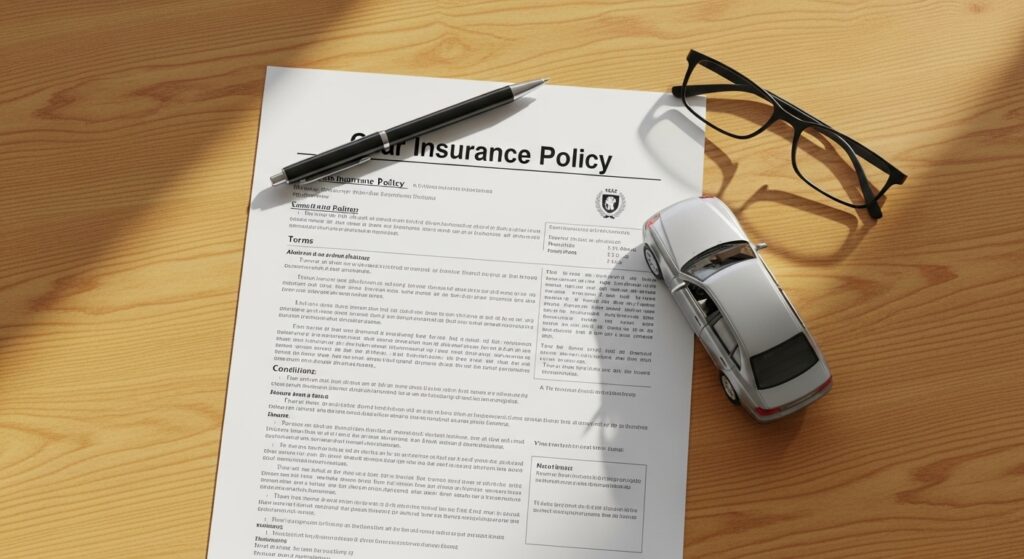
Most drivers just buy car insurance, put the card in the glove box, and forget about it. I did the same thing for years. Then one winter, a tree branch fell on my car during a storm and I had no idea if I was covered. I spent two anxious hours on the phone finding out I was. But it should not be that way.
When you know your policy well, you make smarter calls. You know when to file a claim and when to just pay out of pocket. You also avoid nasty surprises at the repair shop counter.
The truth is, auto insurance is designed to cover sudden, unexpected events. It is not meant to cover normal life with your car. Keep that simple idea in mind, and a lot of this gets much easier to understand.
The Difference Between Collision and Comprehensive Coverage
There are two main types of coverage that pay for repairs to your own car. They are called collision coverage and comprehensive coverage. They sound similar, but they cover very different things.
Collision coverage pays for damage when your car hits something. That could be another car, a guardrail, a tree, or even a pothole. It does not matter who caused the accident. If the damage is from a collision, this is the coverage that helps.
Comprehensive coverage pays for damage that does not come from a crash. Think of it as everything else: hail, fire, theft, floods, a deer running into your car, or someone vandalizing your vehicle. These are covered events under a comprehensive plan.
| Coverage Type | What It Covers | What It Does NOT Cover |
| Collision | Accidents with other cars or objects | Weather, theft, wear and tear |
| Comprehensive | Theft, weather, vandalism, animal damage | Collision damage, routine maintenance |
| Liability | Damage you cause to others | Repairs to your own car |
Both collision and comprehensive come with a deductible. This is the amount you pay first before your insurer covers the rest. A $500 deductible means if the repair costs $2,000, you pay $500 and insurance covers $1,500.
Repairs That Are Almost Always Covered After an Accident
When it comes to what repairs are almost always covered, accident-related damage is at the top of the list. If your car were in a crash and you have the right coverage, most of the repair costs will be taken care of.
Engine and Transmission Damage After a Crash
I once had a friend who got rear-ended on the highway. The back end looked fine but the force of the crash damaged his transmission. He was worried insurance would not pay because “it was not something you could see.” But it was fully covered under collision. The key was proving the damage came from the accident itself.
Yes, engine repairs and transmission issues caused by an accident are almost always covered. If the crash damaged mechanical parts that keep your car running, your collision coverage can step in to pay for those repairs.
If someone else caused the accident, their liability coverage pays for your repairs. If you caused it and you have collision coverage, you file a claim through your own policy and pay the deductible.
The thing to remember is this: the damage must have resulted from the accident. If your engine was already failing before the crash, the insurer will not pay for that. They only cover damage caused by the covered event.
Electrical and Air Conditioning Repairs
This one surprises a lot of people. Yes, electrical malfunctions and even air conditioning repairs can be covered if they were damaged in an accident. Modern cars have a lot of electronics. A hard crash can easily damage wiring, sensors, or cooling systems.
If your insurer agrees that the crash caused the electrical damage, those repairs fall under collision coverage. The same goes for damage to your AC system if something hits the front of your car.
Honestly, most people do not think about this. They only think about bumper and body damage. But mechanical repairs tied to a crash are very much part of what your policy can cover.
What Comprehensive Coverage Pays For
Comprehensive is the coverage that handles all the wild, unpredictable stuff. It is separate from collision and it covers a wide range of repair needs that have nothing to do with crashing into something.
Hail, Storm, and Weather Damage
If a hailstorm dents your car or a fallen tree limb cracks your roof, comprehensive coverage will almost always cover those repairs. Weather-related damage is one of the most common reasons people file comprehensive claims.
According to the Insurance Information Institute, severe weather events are among the top causes of auto insurance claims in the U.S. each year. If you live somewhere with bad winters, strong storms, or hurricane seasons, comprehensive coverage is very important to have. (Source: iii.org)
This also covers flood damage from heavy rain, though you need to check your specific policy terms. Some policies have limits on flooding. Always read the details before you assume something is fully covered.
Theft, Vandalism, and Fire Damage
A neighbor of mine came out one morning to find her car had been keyed across both doors. She was upset and thought she would have to pay for it herself. But she had comprehensive coverage, filed a claim, and the paintwork was fixed with just her $250 deductible out of pocket. She did not even know this was covered until she called her agent.
Vandalism is almost always covered under comprehensive plans. So is theft. If someone steals your car or breaks in and damages it, your comprehensive coverage can pay for the repairs or even replace the vehicle up to its actual cash value (ACV).
Fire damage is covered too. Whether it started from an electrical fault or something outside the car, fire repairs fall under comprehensive. The same goes for damage from riots or civil disturbances.
One thing to know: your deductible applies each time you file a claim. So if your repair cost is close to your deductible amount, it might be smarter to pay out of pocket rather than file a claim and risk a rate increase later.
What Your Warranty Covers That Insurance Does Not
Here is where a lot of people get confused. They think insurance covers everything. But a lot of repairs that insurance skips are handled by your car warranty instead.
Bumper-to-Bumper vs Powertrain Warranty
When you buy a new car, it usually comes with two types of warranties. The first is the bumper-to-bumper warranty. This covers almost every part of the car from front to back for a set time. For example, many automakers offer this for 3 years or 36,000 miles, whichever comes first.
The second is the powertrain warranty. This one lasts longer and covers the most important mechanical parts: the engine, transmission, and drivetrain. Many brands cover this for 5 years or 100,000 miles.
Under warranty, repairs for engine problems, transmission issues, and many other mechanical failures are free as long as you are within the coverage period. You just need to prove you kept up with regular maintenance, because skipping oil changes can void your warranty.
Mechanical Breakdown Insurance (MBI): A Helpful Alternative
Once your warranty runs out, you have another option: Mechanical Breakdown Insurance (MBI). This is sometimes offered by insurers as an add-on to your policy. It is not the same as regular auto insurance, but it works in a similar way.
MBI covers unexpected mechanical failures that are not caused by an accident. Things like a blown engine, a failed timing belt, or problems with your brakes, exhaust, steering, or fuel system.
The deductibles for MBI usually range from $250 to $400, depending on your policy. It is a smart option for older cars that are no longer under the manufacturer warranty.
According to a study by the Consumer Financial Protection Bureau (CFPB), extended warranty and MBI products can provide real value for drivers with older vehicles who face high out-of-pocket repair costs. Always compare coverage terms before buying. (Source: consumerfinance.gov)
Repairs That Are Almost Never Covered (And What to Do)
Just as important as knowing what is covered is knowing what is not. This is where a lot of drivers get caught off guard.
Wear and Tear Items That Are Always Your Responsibility
Standard car insurance does not cover routine maintenance or wear and tear. These are the normal costs of owning a car. You have to budget for these yourself.
The list of things not covered includes: oil changes, brake pads, windshield wipers, filters, tires, belts, and spark plugs. Even your manufacturer warranty usually skips these items because they are expected to wear out with normal use.
Think of it this way: if the repair is something every car eventually needs just from being driven, it is probably not covered by insurance. Insurance is for accidents and surprises, not for the normal life of your vehicle.
How to Handle Repair Bills When Insurance Won’t Help
When my first car needed new brake pads and two new tires at the same time, I honestly thought maybe my insurance would help. I was young and did not understand how it worked. Of course, they did not. I learned fast that I needed a small emergency fund just for car maintenance. That lesson changed how I manage car costs now.
If your repair is not covered, you have a few good options. First, check if the repair is still under your manufacturer warranty or any extended warranty you may have bought. Always ask the dealer before assuming you need to pay.
Second, look into roadside assistance plans. Many of these offer towing, jump-starts, and flat tire help for a low monthly cost. They will not cover the repair itself but they can get your car to the shop safely.
Third, get multiple quotes. Repair costs vary a lot between shops. A good independent mechanic can often do the same work for less than a dealership. I’d love to hear if you have found a trusted mechanic who gave you a great deal!
The National Highway Traffic Safety Administration (NHTSA) recommends following your vehicle’s scheduled maintenance to keep your car safe and prevent expensive mechanical failures down the road. (Source: nhtsa.gov)
Conclusion
So what repairs are almost always covered? Accident-related damage under collision coverage, weather and theft damage under comprehensive coverage, and major mechanical issues under your manufacturer warranty or MBI are all strong candidates for coverage.
The repairs that are almost never covered are the everyday ones: oil changes, tires, brake pads, and other wear and tear items. These are your responsibility as a car owner.
The best thing you can do is read your policy carefully and talk to your agent. Ask them specifically: “What will you cover after an accident? What about weather damage? Do you offer MBI?” Getting clear answers now saves a lot of confusion later.
Have you ever had a repair covered that you did not expect? Or been surprised when insurance would not pay? Drop your thoughts below. I would love to hear your experience.
Frequently Asked Questions (FAQs)
What repairs are almost always covered by car insurance after an accident?
After an accident, engine damage, transmission repairs, body damage, electrical malfunctions, and air conditioning repairs are almost always covered if you have collision coverage. Your insurer will pay for the repairs minus your deductible, as long as the damage came from the covered accident.
Does car insurance cover hail damage and storm repairs?
Yes. Hail damage, storm damage, fallen tree limbs, and other weather-related damage are covered under comprehensive coverage. You pay your deductible first, and the insurer covers the rest up to your car’s actual cash value.
Will insurance pay for engine repairs if my car breaks down?
Not usually. Standard auto insurance does not cover engine repairs caused by mechanical failure or old age. However, if your engine was damaged in a crash or by a covered event like a fallen tree, then yes, it can be covered. For non-accident engine issues, look at your warranty or Mechanical Breakdown Insurance (MBI).
What is not covered by car insurance repairs?
Routine maintenance and wear and tear items are almost never covered. This includes oil changes, brake pads, windshield wipers, tires, filters, and belts. These are normal costs of car ownership that every driver has to budget for themselves.
What is Mechanical Breakdown Insurance and when should I get it?
Mechanical Breakdown Insurance (MBI) is an optional add-on that covers unexpected mechanical failures not tied to an accident. It is great for older cars that are no longer under the manufacturer warranty. It covers things like your engine, transmission, brakes, and fuel system. MBI deductibles usually range from $250 to $400.